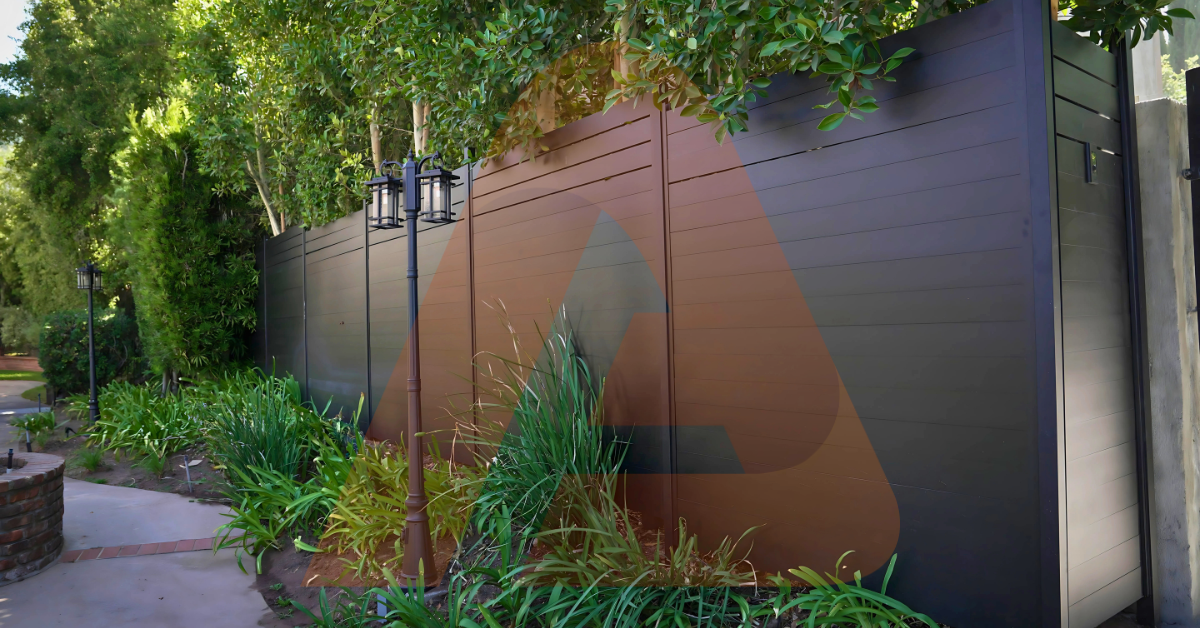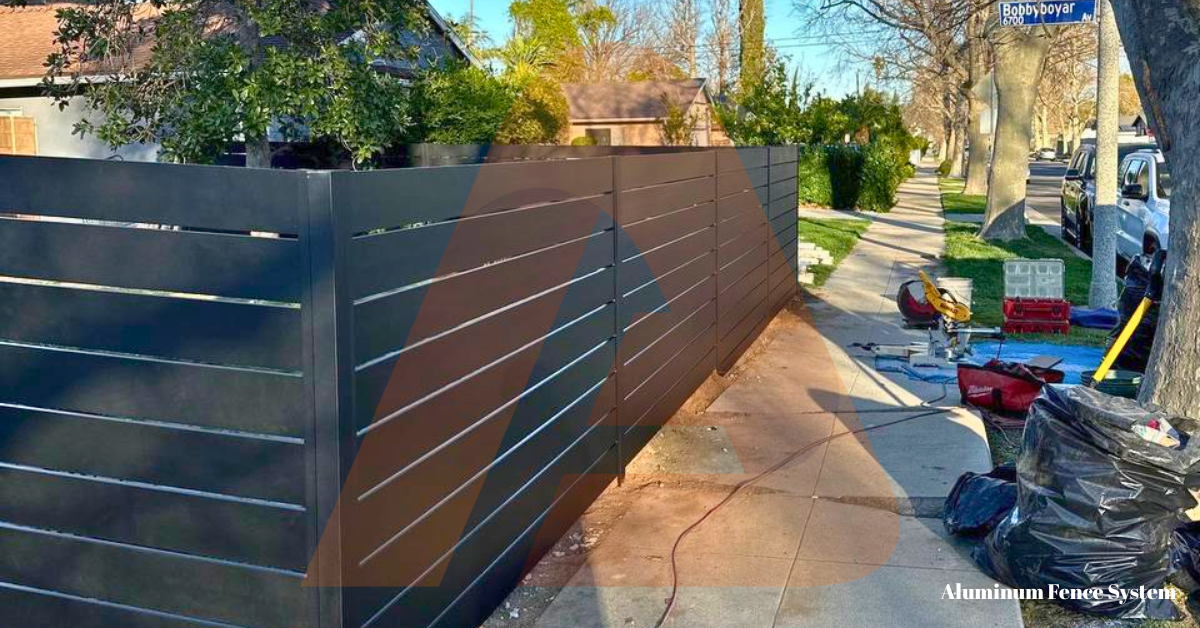

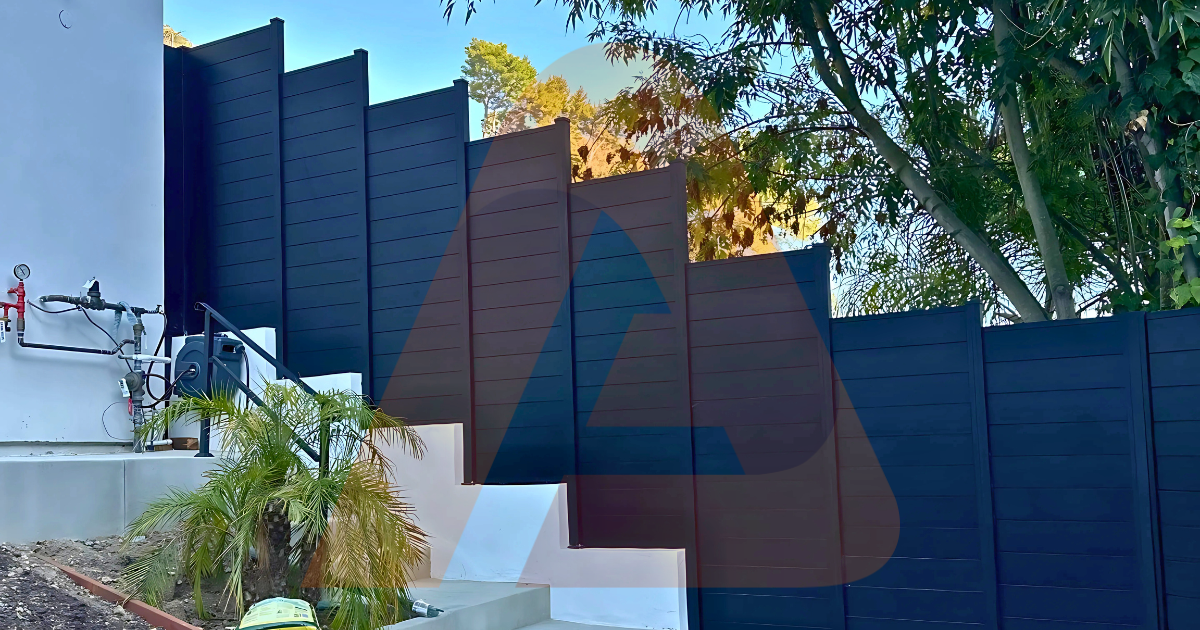
Why Hiring a Professional Metal Fence Contractors Beats DIY Every Time
- By Kevin
- Posted on
So, you’re thinking about fencing your property. Maybe you’ve seen those sleek steel fences that frame driveways like polished armor, or ornamental iron gates that make visitors do a double-take. You might even be wondering: “Can I save money by installing a metal fence myself?”
Great question, but here’s the real talk: when it comes to metal fence installation, going DIY rarely beats hiring a professional metal fence contractor. And in this article, I’m going to walk you through why professional installation isn’t just better, it’s worth every penny.
We’ll cover EVERYTHING, from materials and design to safety, costs, warranties, and peace of mind. Buckle up!
What Is Metal Fence Installation?
Metal fence installation involves much more than just pounding posts into the ground and snapping horizontal rails between them. It’s a precision-driven process that requires accurate measurements, careful planning, and the right tools and materials to ensure long-lasting performance. Professional installers consider soil conditions, property layout, local codes, and proper spacing to prevent sagging and ensure stability. They also use specialized equipment to set posts securely in concrete, align panels evenly, and integrate gates or access features seamlessly. With expert installation, your metal fence delivers enhanced security, durability, and a polished look that performs well under changing weather and heavy use over time.
Benefits of Aluminum Fencing for Businesses
Metal fence installation involves more than just pounding posts in the ground and snapping rails between them. It’s a precision-driven process that requires the right tools, materials, measurements, and expertise.
Types of Metal Fences
Steel Fences
Steel fences are heavy-duty and incredibly durable, making them ideal for commercial or high-security environments. Their strength helps deter intrusion, withstand impacts, and hold up under harsh weather. With proper coating, steel fencing lasts for decades with minimal maintenance.
Wrought Iron Fences
Wrought iron fences offer classic curb appeal with decorative elements that elevate any property’s aesthetic. Though ornamental, they remain strong and secure, giving both style and protection. These fences are perfect for businesses wanting a timeless, upscale look around their perimeter.
Aluminum Fences
Aluminum fencing is lightweight, corrosion-resistant, and easy to maintain, making it a popular choice for both residential and commercial properties. While not as heavy as steel, aluminum still provides reliable boundary definition and an attractive finish that won’t rust over time.
Galvanized Steel Fencing
Galvanized steel fencing is treated to resist rust and corrosion, extending its lifespan in outdoor conditions. This coating makes it ideal for climates with moisture or salt exposure. It combines strong steel support with protective layering for long-lasting performance.
Each type comes with unique installation challenges that professionals know how to handle efficiently and safely.
Materials Explained
Understanding materials is essential. Steel, wrought iron, and aluminum all behave differently under stress, weather, and load. Professionals don’t just install they advise on the best materials for your specific location, terrain, and needs.
Design Your Ideal Fence & Gates Today!
Bring your vision to life with premium aluminum fencing, custom gates, and modern cladding solutions crafted to elevate any property.
Schedule A ConsultationShopDIY vs. Professional Metal Fence Contractors: The Ultimate Comparison
At first glance, DIY looks tempting. “Hey, I’ve built furniture how hard can a fence be?” you think. But here’s the kicker: fencing isn’t like assembling an IKEA shelf. Install anything metal and structural, and the rules change.
Here’s how DIY and professional installation truly stack up:
Feature | DIY | Professional |
Precision Layout | Often inaccurate | Laser-level precision |
Compliance with Codes | Rarely ensured | Always ensured |
Safety | Variable | High standards + trained staff |
Warranty & Aftercare | Typically none | Strong warranties |
Time & Efficiency | Slower | Fast and systematic |
Total Cost Over Time | Lower upfront, higher later | Higher upfront, lower long-term cost |
See the pattern?
Quality and Durability
Let’s talk about what matters: how long your fence lasts.
Superior Metal Fence Materials
Professional installers use industry-grade materials think galvanized steel, powder-coated aluminum, and commercial-grade iron. These materials are cut to exact tolerances and assembled to enhance strength and rigidity.
DIY kits? They’re often made of lighter metals that may look nice but won’t withstand years of weather or impact.
Weather Resistance and Longevity
Metal isn’t impervious to rust or corrosion. Without proper treatment and installation technique, your fence could start degrading faster than you expect.
Professionals:
✔ Ensure proper drainage
✔ Use rust-proof coatings
✔ Prep and treat posts before installation
That means your fence won’t just look good, it will stand strong for decades.
Safety and Compliance
This might surprise you: fence installation isn’t just about digging holes and setting posts. There are legal elements too:
Local Building Codes
Municipal rules often dictate:
- Fence height limits
- Property line setbacks
- Materials allowed
Professional metal fence contractors know these codes inside out. If you DIY and end up violating a code, you could face fines or even be forced to dismantle your newly built fence!
Proper Permits
Many areas require permits for fencing. Pros handle this paperwork for you, saving time and stress.
Design Your Ideal Fence & Gates Today!
Bring your vision to life with premium aluminum fencing, custom gates, and modern cladding solutions crafted to elevate any property.
Schedule A ConsultationShopTime and Efficiency
Let’s get real: installing a steel or iron fence by yourself takes time lots of it.
Planning and Site Preparation
Before a single post gets installed, experienced professionals handle detailed planning and site preparation. They’ll walk the entire property to survey the terrain, mark all underground utility lines so nothing gets damaged during digging, level uneven ground, check soil conditions, and confirm precise measurements so gates, corners, and panels align perfectly. This prevents costly mistakes and keeps everything on schedule. Meanwhile, you might find yourself watching YouTube tutorials, reading comments, and trying to figure out what a “post level” or “concrete footer” really means.
Installation Day
On installation day, professional fence crews work efficiently with the right tools and team coordination. What could take you weeks of guesswork, re-digging, and alignment adjustments often becomes a few days of expert work. They know how to deal with unexpected challenges like rocky soil, slopes, or drainage issues, and they install posts solidly in concrete for long-lasting strength. In short, a skilled crew saves time, reduces stress, and delivers a more durable, professional result than a DIY attempt typically would.
Specialized Tools and Techniques
Some tools are expensive. Others are downright dangerous without training.
Equipment Pros Use
- Hydraulic post drivers
- Laser levels
- Concrete mixers
- Powder-coating booths
These aren’t garage-sale specials and they make all the difference.
Hidden Complexities
Uneven ground? Sloped terrain? Rocky soil? These aren’t playtime problems but professionals navigate them like pros.
Cost Considerations
Money, let’s talk about it.
Upfront Costs
DIY seems cheaper upfront, the materials cost less because you’re not paying for labor. But here’s the twist: mistakes can double or triple your costs.
Even ordering slightly wrong-sized panels? That’s wasted money.
Long-Term Value
Professionally installed fences:
✔ Last longer
✔ Need fewer repairs
✔ Often add resale value
In the long run, hiring pros often costs less.
Aesthetic and Design Options
Your fence isn’t just functional, it’s part of your home’s personality.
Custom Styles
Professionals offer:
- Custom wrought iron scrollwork
- Decorative post caps
- Painted or powder-coated finishes
- Integrated lighting
DIY kits don’t usually come with options; they come with limitations.
Gates, Rails, and Posts
Driveway gates, entry gates, and matching rails require precision engineering. One misaligned gate post and your gate looks crooked forever.
Warranty and Aftercare
Here’s where professionals shine.
Product Warranties
Quality installers partner with brands that back their materials with fully transferable warranties. That means if something goes wrong, you’re covered.
Service Guarantees
Many pros guarantee their work. If an issue arises, they return, fix it, and make it right often at no extra charge.
Design Your Ideal Fence & Gates Today!
Bring your vision to life with premium aluminum fencing, custom gates, and modern cladding solutions crafted to elevate any property.
Schedule A ConsultationShopReal-World Examples
Let’s visualize it.
Residential Success Stories
Imagine a family backyard with a sleek steel fence. Installed professionally, it looks like it’s always been part of the home, matching the landscape, consistent height, perfect alignment.
Now imagine a DIY fence with uneven posts and visible screw holes… yikes.
Commercial Installations
Business properties require high-security perimeter fences. Professionals ensure compliance, strength, and aesthetics that reflect brand value.
How to Choose the Right Metal Fence Contractors
Not all Contractors are created equal. Choosing the right professional metal fence contractors matters because experience, quality, and reliability vary widely. A skilled installer delivers better results, avoids costly mistakes, and ensures your fence is built to last according to code and expectations.
Questions to ask
Do you have liability insurance?
Always ask if the installer carries liability insurance. This protects you if accidental damage or injuries occur on your property during the job. Without insurance, you could be responsible for costly repairs or medical bills.
Can you show past projects?
Request examples of past work or references. Viewing completed projects helps you judge installation quality, attention to detail, and whether the contractor’s style matches your expectations before you commit.
Do you handle permits?
Professional installers should manage necessary permits and local code requirements. This saves you time and stress and ensures your fence meets regulations, avoiding fines or forced revisions after installation.
What warranties do you offer?
Ask about product and workmanship warranties. A reliable contractor stands behind their work with clear warranty terms, giving you peace of mind if materials fail or installation issues arise later.
Red Flags
No written contract
A red flag is when an installer avoids a written contract. Contracts protect both parties, clarify scope, price, and timeline, and prevent misunderstandings or disputes during the project.
Vague timeline
Beware of contractors who can’t provide clear start and finish dates. A vague timeline often leads to delays, confusion, and frustration, affecting your schedule and site coordination.
“Cheap” materials
Using “cheap” materials might lower upfront cost but often means inferior durability. Quality fences need strong metal, protective coatings, and reliable components that stand up to weather and wear over time.
Upfront full payment
Avoid paying the full amount upfront. Reputable installers request partial deposits, with progress payments tied to project milestones. Full prepayment increases risk if work isn’t completed as promised.
Trust your instincts!
If something feels off during estimates or communication, trust your instincts. A contractor who listens, answers questions clearly, and respects your concerns is more likely to deliver a positive installation experience.
Design Your Ideal Fence & Gates Today!
Bring your vision to life with premium aluminum fencing, custom gates, and modern cladding solutions crafted to elevate any property.
Schedule A ConsultationShop Can you install a metal fence on your own?
Yes, you can install a metal fence yourself if you have basic tools, the right materials, and patience. Smaller metal fence panels are DIY-friendly. However, heavier steel or wrought-iron fences often require precision, specialized tools, and sometimes professional help to ensure proper alignment, secure anchoring, and compliance with local codes. Professional installation also helps avoid costly mistakes.
Do metal fence posts need to be set in concrete?
Setting metal fence posts in concrete is highly recommended for maximum strength and stability, especially for privacy, security, or tall fences. Concrete helps prevent shifting over time and provides a firm foundation for panels and gates. In some cases, driven posts or gravel bases can work for lighter installations, but concrete is the most reliable method for long-term durability.
Is metal fencing more affordable than wood fencing?
Metal fencing usually costs more upfront than wood because materials like galvanized steel and wrought iron are pricier. But metal often lasts longer, needs less maintenance, and resists rot and pests better than wood. Over the long term, lower maintenance and fewer replacements can make metal more cost-effective.
What is the maximum recommended spacing between metal fence posts?
Standard spacing for metal fence posts is typically 6–8 feet apart for residential panels. In high-wind areas or for heavy fencing, spacing may be reduced to 4–6 feet for added support. Closer spacing improves strength and panel stability.
How long can a metal fence typically last?
Metal fences, especially those made with galvanization or powder-coated steel or aluminum, can last 20–40+ years or more with proper care. Many aluminum fences exceed 50 years due to excellent corrosion resistance. This durability usually outperforms wood and other materials in long-term performance.
Which type of fence is the most budget-friendly?
The most budget-friendly fence material initially is often wood, especially pressure-treated lumber. However, wood typically requires ongoing maintenance (staining, sealing) and may need replacement sooner than metal. When considering total long-term cost and life span, metal and vinyl sometimes offer better overall value.