
Architectural Gate Installation in California Step-by-Step Process Permits & Typical Costs 2026
- By Admin
- Posted on
Architectural gates add security and curb appeal but require careful planning. This guide walks through site assessment, permits, materials, fabrication and realistic costs for California projects in 2026. Follow clear steps to reduce delays, control budget and achieve a reliable, code compliant installation tailored to your property and design goals.
Site evaluation and project scope
Conduct a thorough site evaluation before design or permit work begins. Walk the property to map access, slope, utilities and sight lines. Verify property lines and easements with a survey. Consider drainage, slope and soil as these affect foundation design. List desired functions such as security, automation, or pedestrian access. Create a simple scope that defines gate type, width, height and finish. This baseline scope streamlines contractor bids and permit applications. For local installation considerations and examples see Aluminum fence California installation which covers regional installation nuances and material choices.
Permits regulations and local codes
Navigating permits reduces delays and rework. Start with the city or county planning and building department to identify permit needs. Check setback rules, height limits and visibility triangle requirements. If the gate is automated, include electrical permits and UL compliant equipment specifications. When hiring a contractor, confirm they handle permit submittals and inspections. Useful resources include local permit guides and contractor selection advice. Review step guides for Los Angeles site permits in Understanding permits and regulations for privacy fence installation in California, procedural steps in Fence installation Los Angeles step by step guide, and hiring criteria in Choosing fence contractor CA.
Design options materials and finishes
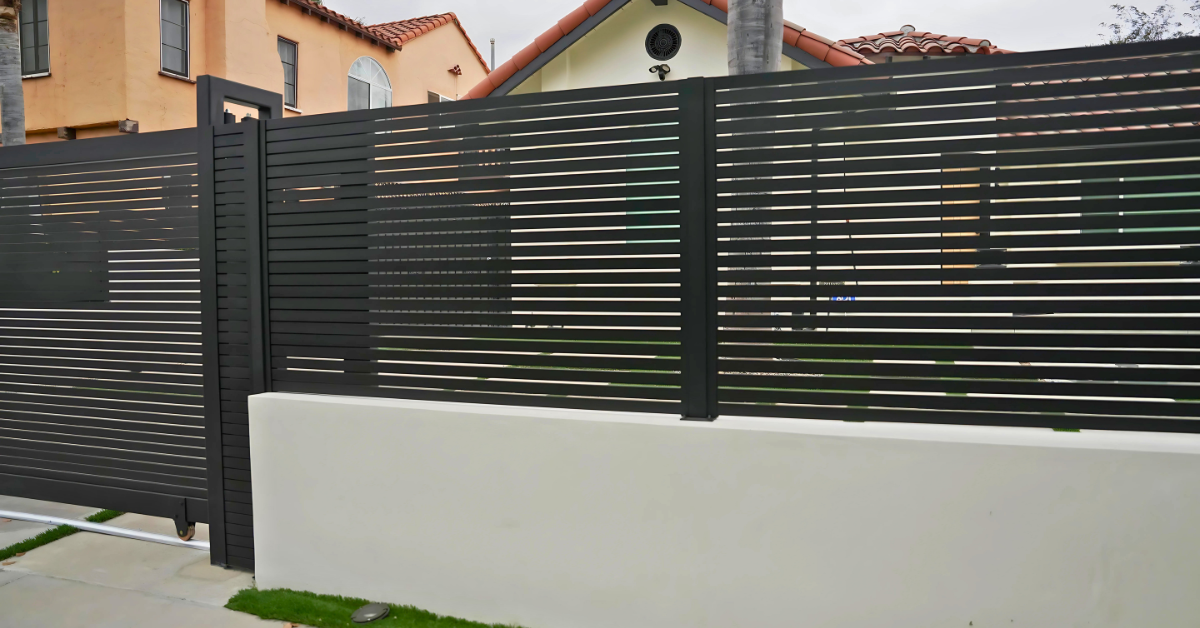
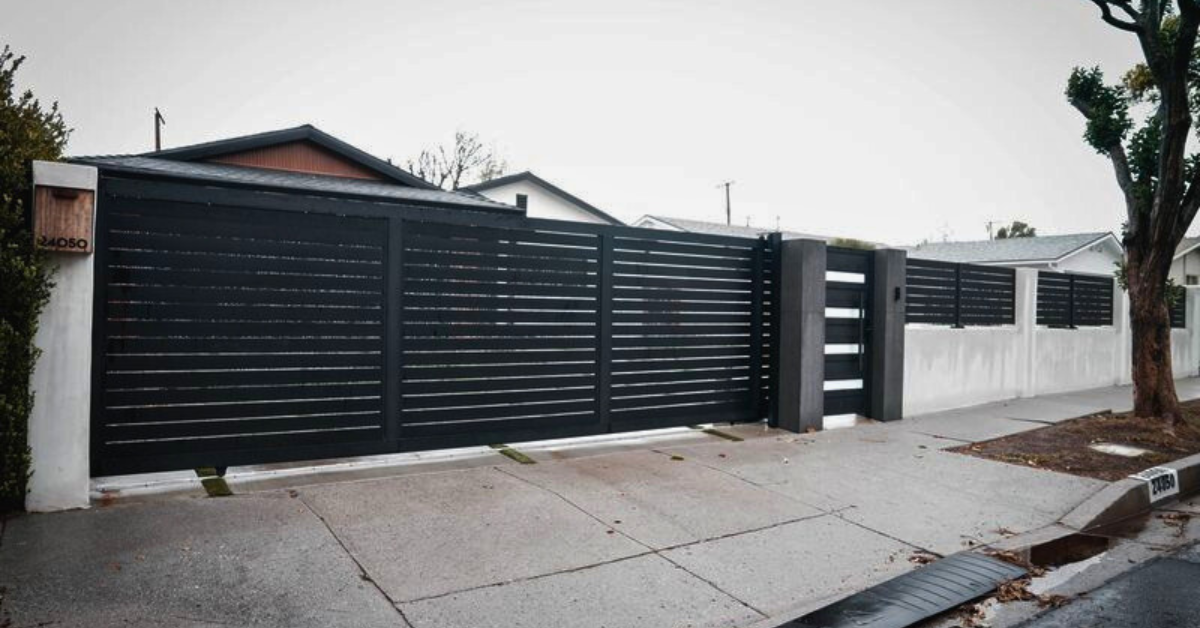
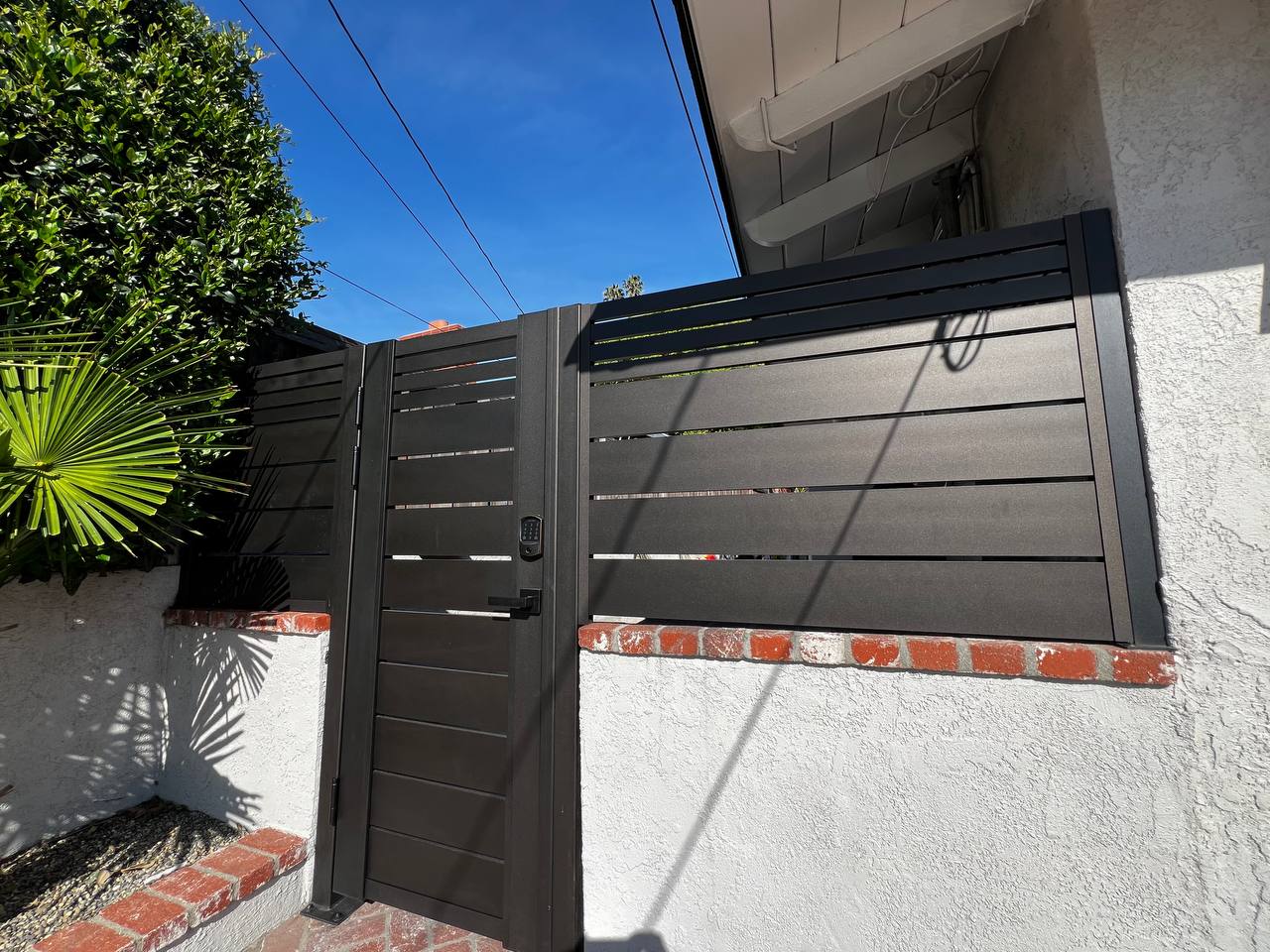
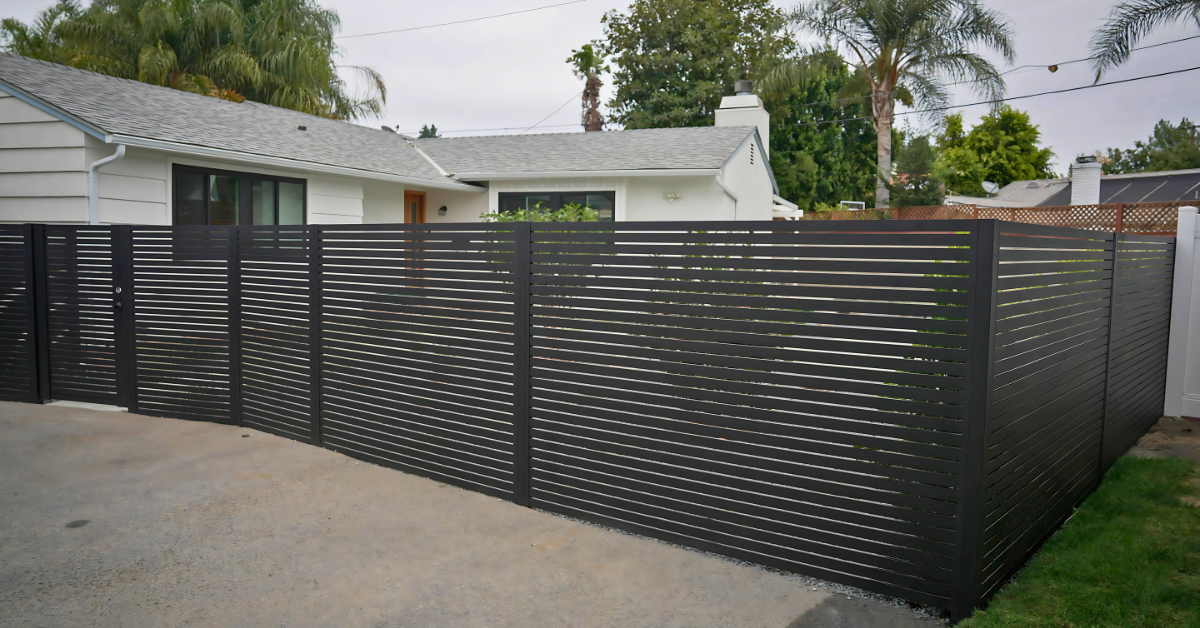
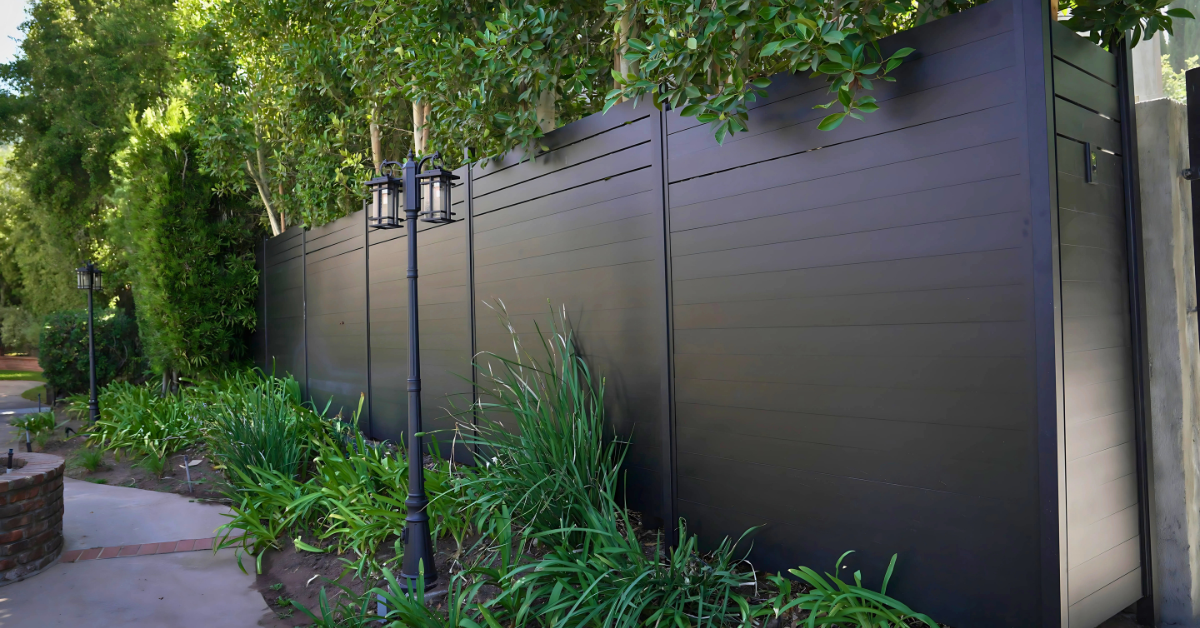
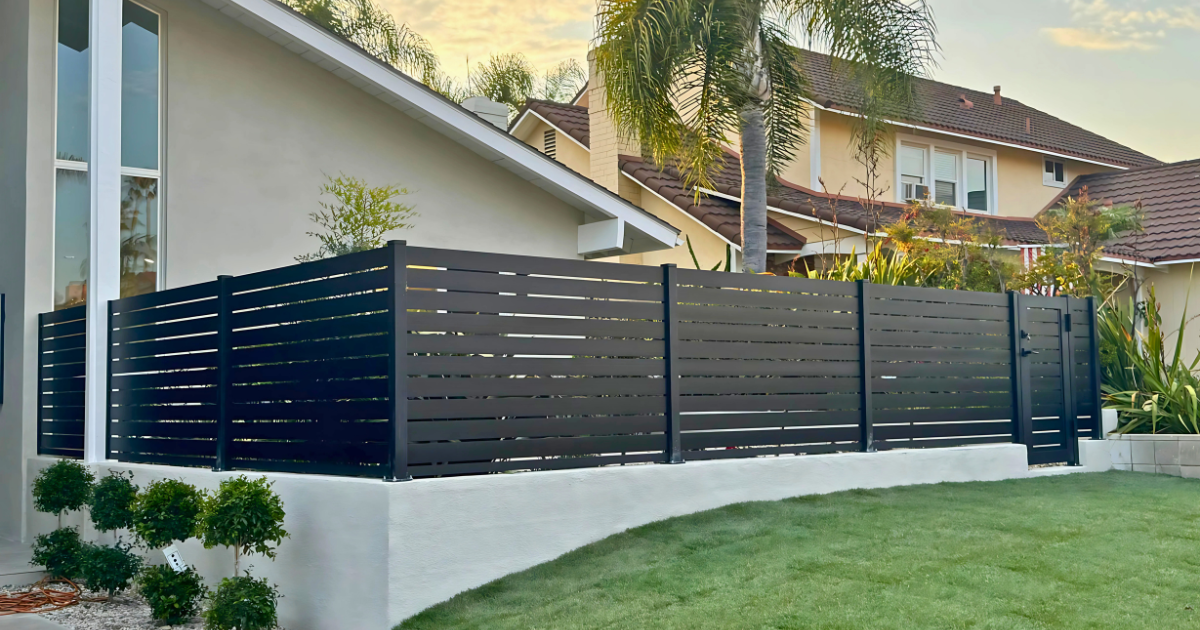
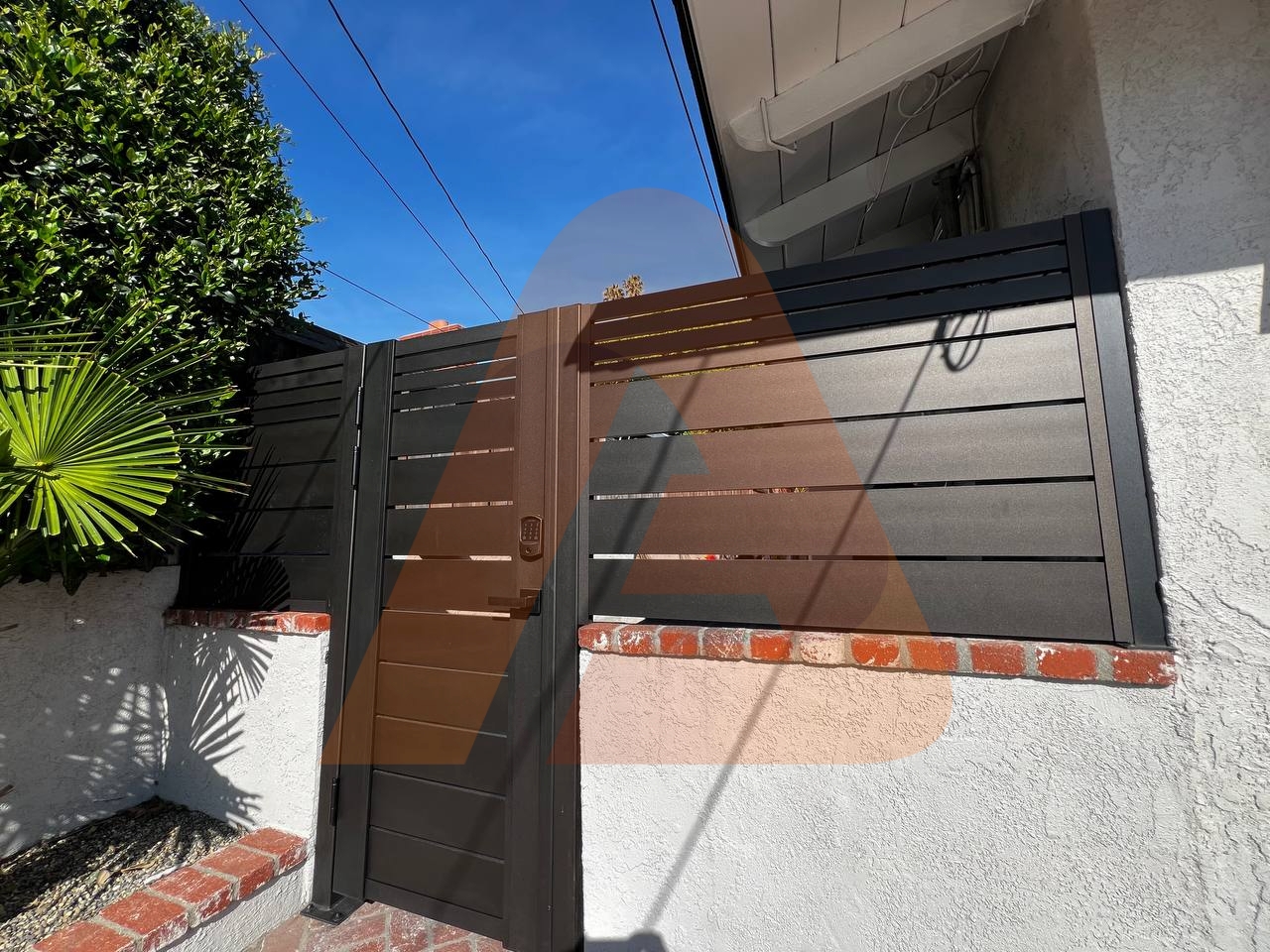
Select materials and finishes that balance looks and longevity. Aluminum resists corrosion and needs less maintenance than steel or iron. Consider profiles, infill patterns and color options that match architecture. Decide on solid, louvered or open slat styles to meet privacy needs. Coordinate gate hardware finish with the gate color and nearby fixtures. Factor in powder coating for longer life, and choose marine grade hardware for coastal sites. For modern design inspiration and gate concepts consult Modern aluminum gate designs Los Angeles and use the design to shape material and fabrication choices.
California B2B office furniture marketing
Market positioning and local presence matter for B2B office furniture in California. Define target segments such as startups, legal firms or co working spaces. Use case studies and imagery that highlight durable materials and ergonomic design to appeal to facility managers. Local search and maps drive leads; maintain an up to date business listing and service area. Build partnerships with architects and contractors to offer integrated solutions for reception areas and building entries. See local mapping for regional reach via Los Angeles map to plan local outreach and service routes efficiently.
Structural design and engineering checks
Confirm structural requirements early to avoid costly changes. Validate gate weight, wind loading and lateral forces with an engineer for large driveway gates. Base design on post size, foundation depth and embedment to resist moments. Provide gate weight and hinge spacing to the fabricator so bearings and pins are sized correctly. Request stamped drawings when code or permit rules require them. For ornate or laser cut panels, verify stiffness and support to prevent sag. Use industry guidance and contractor collaboration to align structural design with the planned finish and operation for consistent long term performance.
Foundations posts and site preparation
Reliable foundations start with correct site prep and accurate layout. Mark property lines and pole locations with string lines and batter boards. Excavate to required footing depths based on soil type and frost line where applicable. Use compacted concrete footings sized for gate weight and wind loads. Anchor posts with through bolts or embedded sleeves to provide serviceable connections. Verify plumb and alignment before concrete cures. For detailed installation practices and post guidance refer to procedural resources on How to install aluminum fence which include layout and anchoring techniques applicable to gates.
Gate hardware automation and power needs
Plan hardware and power during early design. Select operators rated for gate weight, cycle frequency and use type. Decide between swing, slide or cantilever mechanisms based on space and slope. Determine power availability and route conduit before final grading. Include secondary safety devices such as photocells, edge sensors and manual release for power outages. Size wiring and transformer for motor and control board demands. Coordinate keypad, intercom and sensor locations to prevent conflicts with landscape features. For automation benefits and common options consult Advantages of an automatic driveway entrance for practical considerations.
Fabrication finishing and quality control
Ensure fabrication matches design intent through controls and samples. Approve a shop drawing set that shows dimensions, weld details and hardware locations. Require material certificates for alloy and finish specifications. Inspect mockups or sample panels for color match and tolerances. Confirm weld penetration and grinding quality on visible seams. Specify powder coat processes, including pretreatment and bake schedules, for durable finishes. Add acceptance criteria for warpage, hinge fit and latch alignment. Include a final inspection checklist with the fabricator to resolve issues before shipping to site and prevent rework during installation.
Installation procedures and alignment tips
Follow a methodical installation sequence to achieve smooth operation. Start by checking the foundation and anchor conditions. Install posts plumb and verify distances across openings before fixing hinges. Mount hardware temporarily to test swing and clearance. Adjust track or hinge positioning in small increments; final torque hardware only after confirming operation. Align electric conduits and run control wiring prior to backfilling. Test safety devices and perform multiple full cycles to bed components into place. For step oriented gate installs and alignment techniques review field procedures outlined in Aluminum gate installation CA step by step.
Common problems and field troubleshooting
Anticipate issues and prepare a troubleshooting routine. Typical problems include misaligned gates, sag, motor overloads and sensor failures. Check foundation settlement and anchor loosening as first steps. Inspect hinge wear and pin clearance for binding. For sliding gates review track wear and foreign debris; replace rollers or relevel rails as needed. For automation, verify voltage, fuse status and control board error codes. Maintain a log of adjustments and incidents to spot recurring patterns. For sliding gate specific fixes and preventative measures consult Common challenges in sliding gate installation.
Pricing budgeting and financing strategies
Build a realistic budget from planning through commissioning. Include design, permits, site prep, foundations, fabrication, hardware, electrical and final testing in estimates. Add contingency for unforeseen site conditions and change orders. Compare multiple bids and verify scope parity. Consider phased work to spread costs or financing to accelerate installation. Factor lifecycle costs such as maintenance, consumables and finish touch ups when comparing alternatives. For typical pricing ranges and calculators see cost guides like How much does fence installation cost to benchmark local expectations.
Care maintenance and next steps
Set a maintenance plan to protect investment and performance. Schedule regular inspections for alignment, hardware lubrication and finish condition. Clean powder coated surfaces with mild detergents to remove contaminants. Test automation safety devices monthly and check electrical terminations annually. Keep a parts list and vendor contacts for quick replacement of wear items. If you want design support, custom options and professional installation help, take the next step to Design Your Ideal Fence & Gates Today with tailored guidance, material selection and proven installation workflows. Learn maintenance best practices in How to maintain aluminum gates 5 recommendations. Design Your Ideal Fence & Gates Today
Final words
Architectural gate projects succeed when planning, code compliance, material selection and skilled installation align. Prioritize site assessment, permits and a clear budget. Choose durable materials and precise fabrication to minimize maintenance and extend service life. Use professional guidance to avoid common pitfalls, speed permitting, and ensure your gate meets security and design goals while staying on budget.
Frequently Asked Questions
What permits are required for an architectural gate in California?
Most cities require building permits and sometimes electrical permits for automated gates. Coastal or historic districts may add restrictions. Check local planning and building departments early to identify needed approvals and inspections.
How much does an architectural gate typically cost in California?
Costs vary by size, material, automation and site complexity. Typical ranges span moderate single gates to high end custom driveway gates. Site access, foundation work and finish options influence final pricing.
Can I install an architectural gate myself?
DIY is possible for simple pedestrian gates, but full driveway gates and automated systems need professional skills. Contractors handle foundations, structural anchoring and electrical work that ensure safety and code compliance.
How long does permitting and installation take?
Permitting can take from weeks to months depending on local workload and required reviews. Fabrication and installation commonly take several weeks; complex custom projects may require longer lead times.
What maintenance does an architectural gate need?
Regular inspection of hardware, lubrication of moving parts, check of automation electronics, and cleaning of finishes extend service life. Powder coat and aluminum require minimal upkeep but still benefit from routine care.