
Aluminum Fence Installer in California: What to Expect, Pricing Factors & Prep Steps (2026)
- By Admin
- Posted on
Choosing an aluminum fence installer in California requires knowing permits, cost drivers, timelines and prep steps. This guide outlines what installers do, how pricing is set, and the steps you should take before crews arrive. Follow clear planning tips and design guidance to secure a durable, low maintenance fence that boosts security and curb appeal.
What to expect from a professional installer
Expect a clear process. A licensed team begins with a site visit and measurements. They confirm boundary lines and discuss design choices. You will receive a written estimate and a project timeline. Installers handle posts, panels, and powder coated finishes with specialized tools. They will secure permits or advise on what you need. Communication matters: ask for a written scope and warranty details. Expect the crew to clean the site and test gates and hardware. For guidance on local installation steps, see Aluminum fence California installation.
How pricing is calculated and what affects cost
Pricing factors include materials, height, site conditions, and labor. Uneven terrain or buried utilities raise costs. Complex gate systems and automation add to the budget. Finishes like premium powder coat modestly increase price but reduce long term maintenance. Compare three written bids and request detailed line items. Learn typical cost ranges and budgeting tips in fence installation cost. Also review curb appeal options that can influence design choices at curb appeal residential fencing ideas. For upkeep cost considerations read aluminum fence gates maintenance tips.
Design your ideal fence and gate options
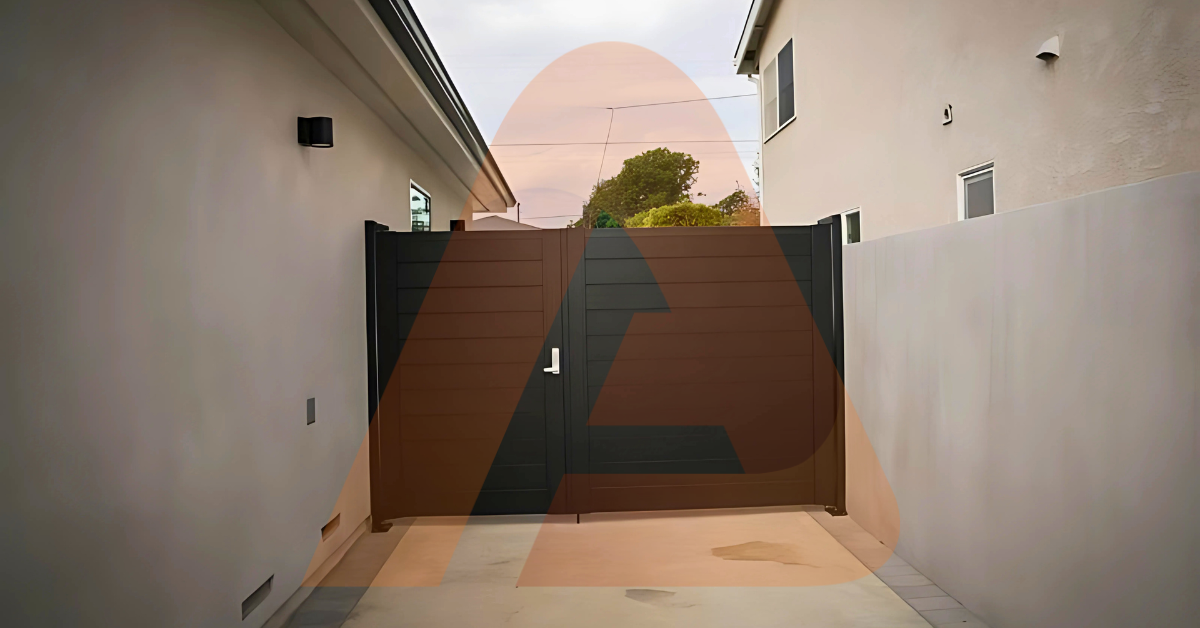
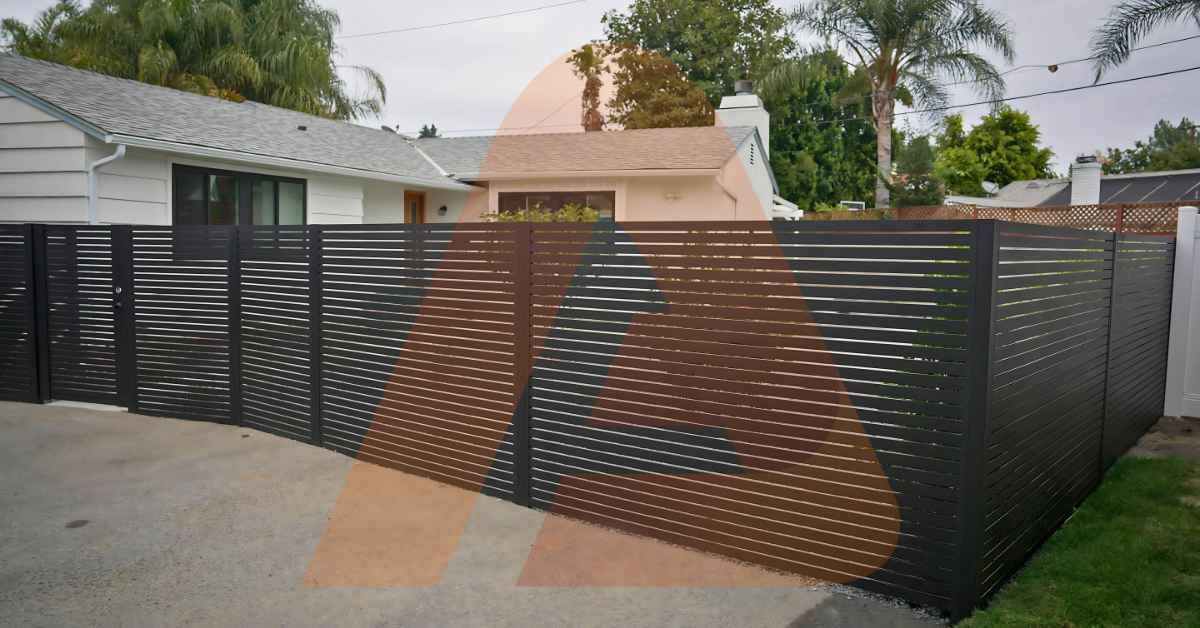
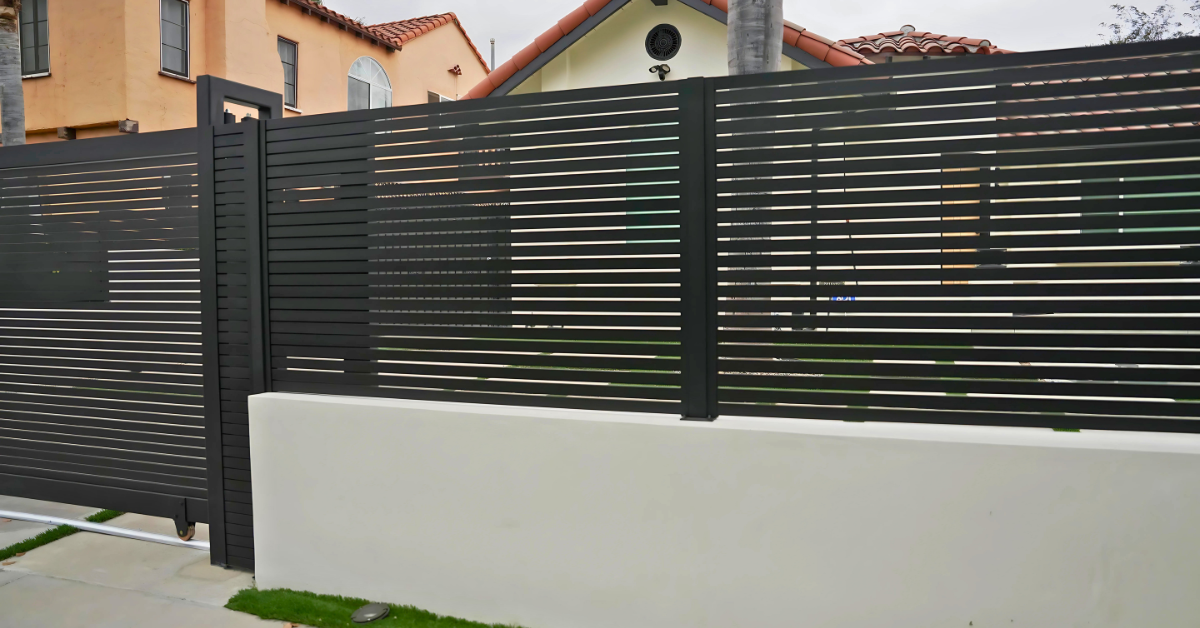
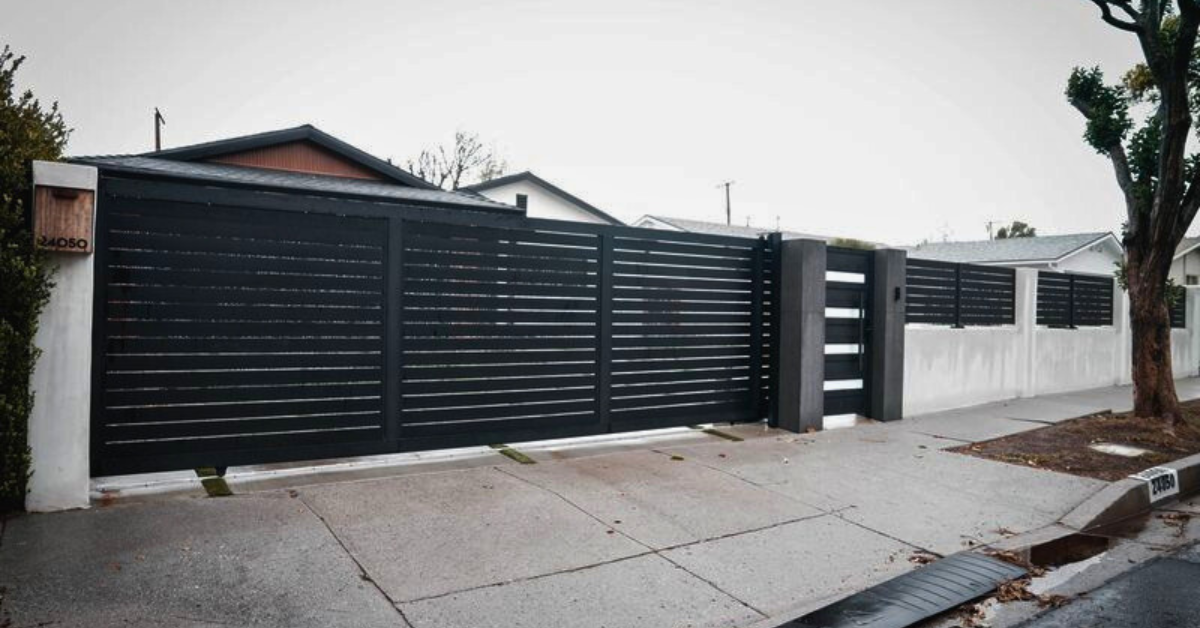
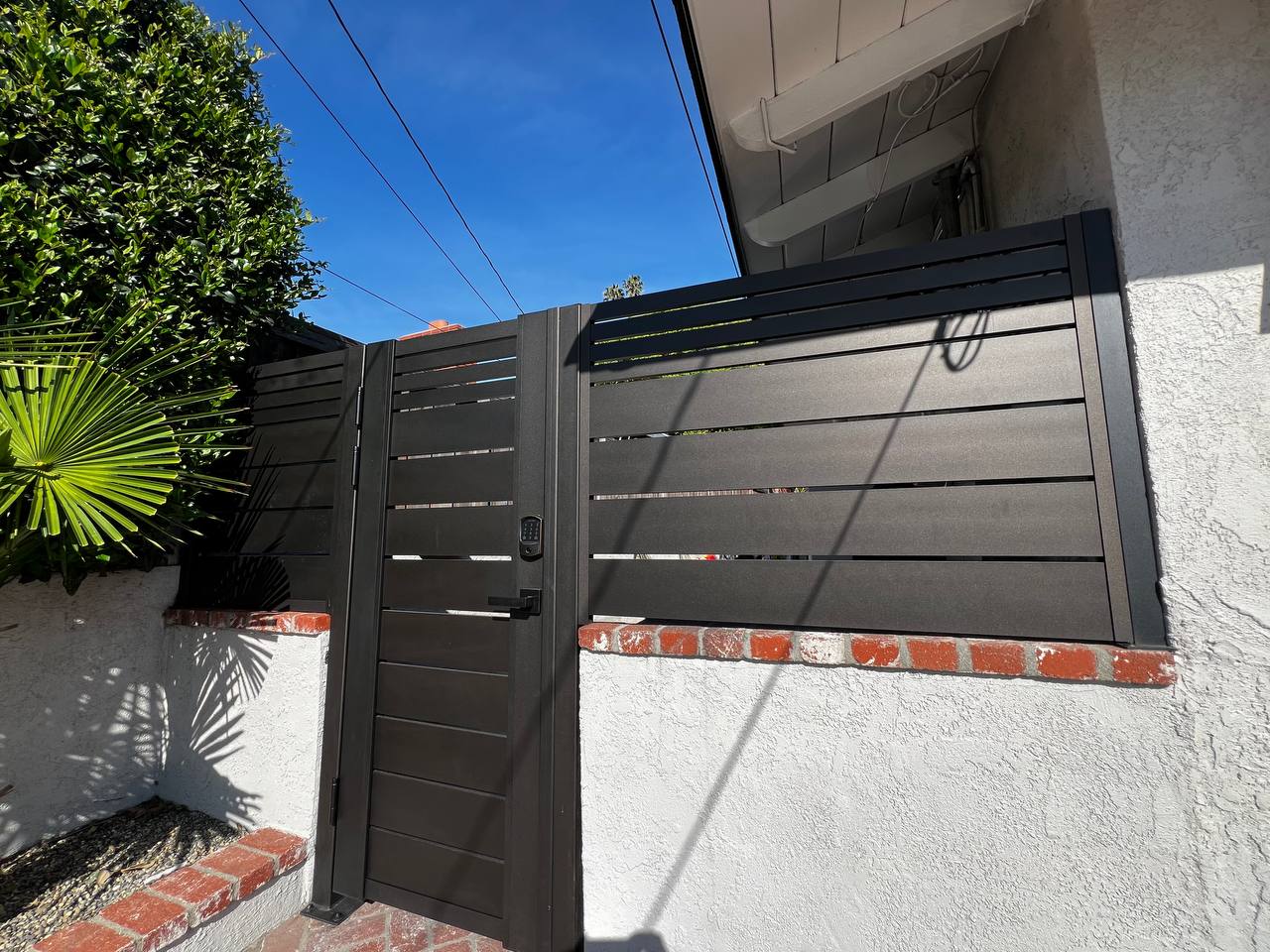
Define function first. Decide on privacy, security, or aesthetic priorities. Mix panels, pick picket spacing, and select colors that complement your home. Consider integrated gates and access controls for convenience. Ask the installer for mockups and material samples. The company offer Design Your Ideal Fence & Gates Today to guide choices and optimize value. Explore style and structural options at aluminum fence design and request a layout that meets safety and local code.
Permits regulations and working with local agencies
Navigating permits saves delays. Many California cities require permits for fences over certain heights, especially at front yards. Confirm setback rules and homeowner association standards. Submit plans that show fence height, materials and gate clearances. If you work with commercial sites, coordinate with property managers and inspectors. Use the installer to file permits or get clear guidance. For local business location planning and verification use this map: California business map to find permitting offices and contacts.
Site preparation and homeowner responsibilities
Prep minimizes change orders. Clear vegetation from the fence line and mark irrigation and utility lines. Confirm property lines before digging. If landscaping or irrigation crosses the route, plan rerouting or protection. Provide clear access for vehicles and store materials off the active turf. Confirm gate swing and driveway clearance. Good prep shortens install time and lowers labor costs. For ideas on landscaping integration and curb appeal planning see curb appeal residential fencing ideas and align choices with installation plans.
Material selection and why aluminum works well
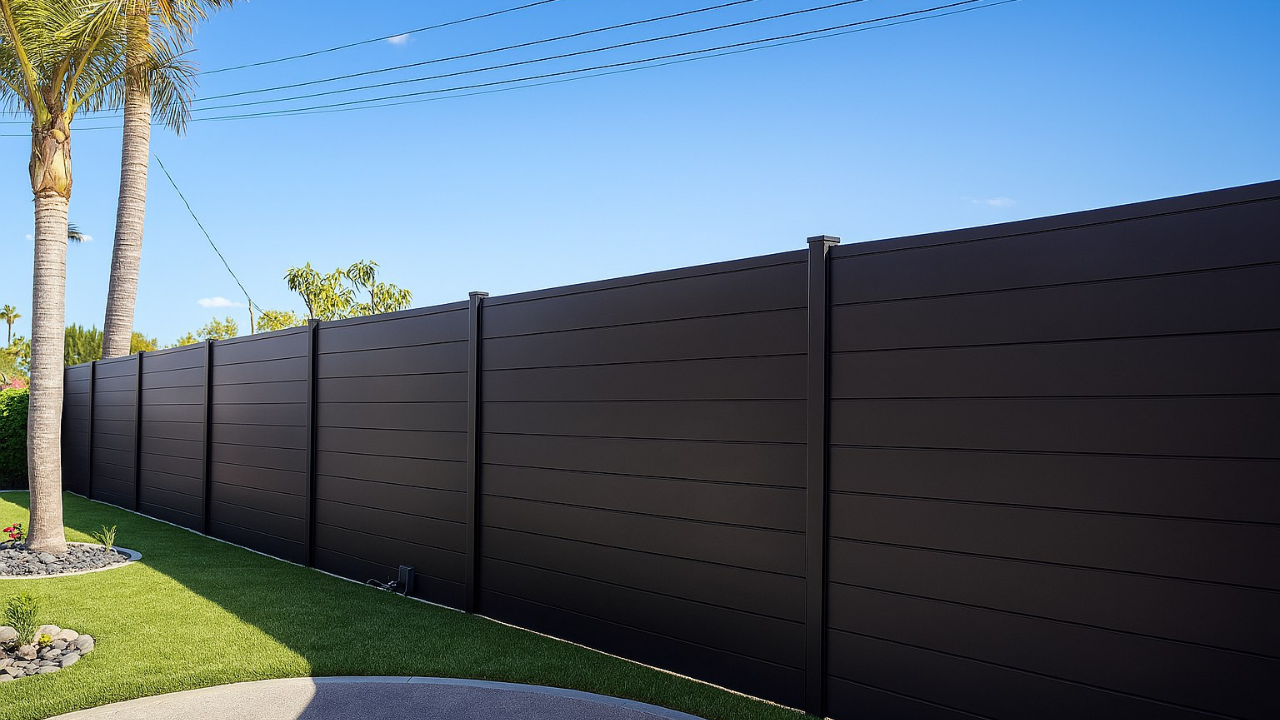
Aluminum advantages include lightweight panels, corrosion resistance, and low maintenance. Powder coat finishes extend lifespan and offer color choice. Aluminum provides strong visual presence without heavy upkeep. It resists rot, pests and coastal corrosion better than many metals. For security or industrial requirements, thicker profiles and reinforced posts improve strength. Learn about benefits and long term performance at benefits of aluminum fencing durability security and low maintenance and weigh those advantages against your budget and design goals.
Common installation challenges and solutions
Expect site surprises. Underground obstacles, steep slopes, and hidden property markers may appear. Skilled crews use alternative anchoring, step panels, or retaining walls to adapt. Allow contingency in the budget for unforeseen issues. Ask your installer about post anchoring techniques and drainage solutions. Inspectors may request adjustments to meet code. Learn typical pitfalls and how to avoid them in 7 common mistakes when installing an aluminum fence to reduce risk and keep the project on schedule.
Gates automation and hardware considerations
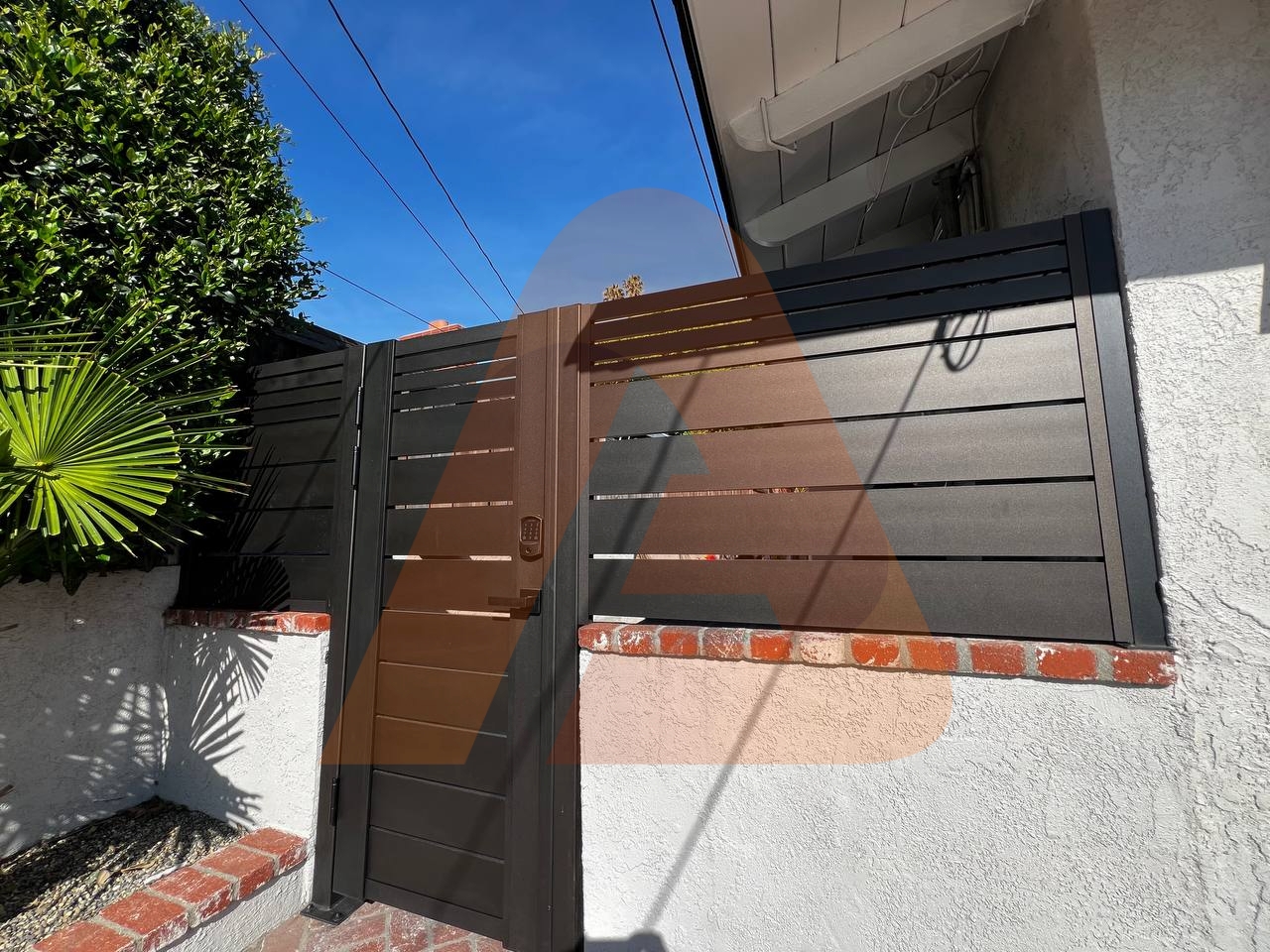
Gate planning matters. Choose hardware rated for gate size and frequency. Automation needs power, safety sensors, and proper mounting. Hydraulic and electromechanical operators differ in performance and maintenance needs. Plan for access control, keypads, remotes and sensor clearances. Coordinate foundation requirements for sliding gates and check driveway alignment. If adding automation, factor in electrician work and permits. Review installation best practices for driveway gates at driveway gate installation and confirm the operator matches your gate weight and traffic.
Maintenance planning to extend lifespan
Simple maintenance keeps value. Rinse salt and debris from coastal installations. Tighten hardware annually and lubricate moving parts. Recoat or touch up powder coat where chips occur. Inspect post footings for erosion and regrade as needed. A maintenance plan reduces need for early repairs. For practical care tips consult how to maintain aluminum gates 5 recommendations. Include scheduled checks in your property maintenance calendar to protect investment and avoid service surprises.
Budgeting timeline and payment milestones
Plan payments around milestones. Typical schedule includes deposit, mid job progress payment and final payment at completion. Tie payments to deliverables like permit approval, post installation, and gate testing. Ask for a clear cancellation and change order policy. Expect a project timeline from days for simple installs to weeks for complex gates and long runs. Factor inspection windows and permit lead times into scheduling. Review cost comparisons and financing options in the context of long term benefits at cost comparison metal fence vs aluminum fence.
Selecting the right contractor and warranties
Choose experience and transparency. Verify licenses, insurance and references. Ask for examples of local projects and warranty terms. A good contractor documents scope, materials and timelines. Avoid large vague bids. Check that warranty covers finishes and structural issues with clear claim steps. Request written guarantees on labor and hardware. For contractor selection guidance and hiring checklists see how to choose the best contractor for custom metal fence installation near you to vet candidates and secure a reliable partner.
Next steps and getting started with design
Turn plans into action. Finalize design choices and confirm permit needs. Schedule a site visit and ask for a detailed estimate with timelines. Use the Design Your Ideal Fence & Gates Today offer to refine materials, finishes and gate hardware. Discuss staging, vehicle access and any landscaping changes. When ready, sign a clear contract and confirm payment milestones. For automation and advanced gate options consult automatic gate installation options. When you are prepared, request a quote and move to scheduling.
Order materials installation and where to buy
Streamline procurement. Order panels, posts, gates and hardware after permit approval and contract signing. Confirm lead times for custom powder coat colors. Stock necessary anchors and fasteners on site before crews arrive. If buying components directly, verify compatibility with installer specs. For convenience and vetted products use the online shop to find compatible fencing and gate hardware. Design Your Ideal Fence & Gates Today and browse available options to secure the right materials and start installation smoothly.
Final words
Aluminum fences offer lasting value when installed by experienced teams who understand California permits, site conditions and cost drivers. Prepare your property, compare clear estimates, and choose durable finishes. Thoughtful design and proper prep cut delays and extra costs while improving security and curb appeal. Use these guidelines to plan and get the best outcome from your installer.
Frequently Asked Questions
How long does aluminum fence installation take?
Small projects can finish in one to three days. Larger properties or complex gates need one to three weeks, depending on permits, site conditions, and custom work.
Do I need a permit for an aluminum fence in California?
Many California cities require permits for fences over certain heights or near public right of way. Check local codes or ask your installer to confirm permit requirements.
How much maintenance does an aluminum fence need?
Aluminum needs minimal care: periodic rinsing, hardware lubrication, and occasional touch ups to powder coat chips. Annual inspections prevent small issues from growing.
Can aluminum fences handle coastal conditions?
Yes. Powder coated aluminum is corrosion resistant and performs well near the coast. Rinse salt accumulation periodically to extend finish life.
Will an automatic gate add much to cost and complexity?
Automation increases cost and requires electrical work, safety sensors, and permit checks. It adds convenience and value when planned into the project early.