
Understanding Permits and Regulations for Privacy Fence Installation in California
- By alupost
- Posted on
Installing a privacy fence in California requires more than simply choosing the right design or hiring an installer. California has detailed rules governing fence height, property lines, neighbor responsibilities, and permit requirements. Whether you’re researching local guidelines or searching for aluminum fence installation near me, understanding these regulations is essential if you want a smooth and legally compliant installation. This guide explains what California homeowners must know before adding a privacy fence, including permits, height restrictions, neighbor agreements, and local approval processes.
Do You Need a Permit for a Privacy Fence in California?
In most parts of California, a permit is not required for a standard residential fence up to six feet high. However, once your fence exceeds that height—often when homeowners add privacy panels or lattice extensions—many cities require a building permit. The purpose of this requirement is to ensure that taller structures are safe, structurally sound, and do not interfere with visibility or easements. Different cities apply different rules, so a six-foot fence in Los Angeles may follow a different code compared to a six-foot fence in San Diego or Sacramento.
Permits become especially important on properties located on corner lots, in coastal zones, or in wildfire-prone regions. In those areas, additional safety or visibility rules may apply. If you live in an HOA community, you may need approval even if your city does not require a permit. Because California is strict about code compliance, taking time to confirm your local requirements prevents costly mistakes later.
Design Your Ideal Fence & Gates Today!
Bring your vision to life with premium aluminum fencing, custom gates, and modern cladding solutions crafted to elevate any property.
Schedule A ConsultationShopCalifornia Fence Height Regulations
California’s general rule allows backyard fences up to six feet in height without a permit, but front yard fences are often limited to a much lower height—typically three to four feet. These height limits help maintain visibility for pedestrians and vehicles. When homeowners want more privacy, they often attempt to extend fence height with additional panels. Once you go beyond the permitted height, your city may require approval, a site plan, and sometimes an inspection.
For fences taller than six feet, cities often want reassurance that the design can withstand strong winds and soil movement, both of which are common in many parts of the state. Taller fences must also respect property line rules, drainage patterns, and structural safety guidelines. Understanding these requirements ahead of time helps you choose the right fence design without unexpected compliance issues.
California’s Good Neighbor Fence Law Explained
California’s Good Neighbor Fence Law establishes clear expectations between neighbors regarding boundary fences. Under this law, a fence built directly on the property line is considered a shared responsibility, and both neighbors are expected to share the cost of construction, repair, or replacement. The law treats boundary fences as mutually beneficial, meaning both homeowners gain privacy and protection.
Before installing or replacing a shared fence, you must provide written notice to your neighbor that explains the proposed height, materials, design, and estimated cost. This notice gives the neighbor an opportunity to ask questions or propose changes. If a neighbor objects, the law encourages communication or mediation to resolve the disagreement. Most conflicts can be settled with clear documentation and a cooperative approach.
Design Your Ideal Fence & Gates Today!
Bring your vision to life with premium aluminum fencing, custom gates, and modern cladding solutions crafted to elevate any property.
Schedule A ConsultationShopProperty Line Rules You Must Know
Building directly on the property line involves different rules than building a fence entirely on your own property. If a fence sits on the line, your neighbor legally co-owns it, which triggers shared cost and maintenance rules. If you decide to place the fence slightly inside your own property, you do not need neighbor permission, but you accept full responsibility for all future repairs.
Because property boundaries are not always clearly marked, many homeowners choose to verify the line through a survey before beginning installation. Installing a fence even a few inches onto a neighbor’s property can lead to disputes, fines, or forced removal. Taking the time to confirm boundaries protects you from future legal issues.
How to Apply for a Fence Permit in California
Many California cities offer online permit applications through their building department websites. Typically, the process involves submitting a site plan that outlines your property boundaries, the height of the fence, and the type of materials you plan to use. Aluminum, wood, vinyl, and composite materials are all acceptable in most cities, but your area may have rules regarding fire resistance or visibility.
Permit fees vary, but they usually fall within an affordable range. Some projects require an inspection once the fence is complete to ensure it matches the approved plans. Permits are often rejected when the proposed fence exceeds local height limits or interferes with easements or drainage. Understanding the city’s requirements in advance makes the process much smoother.
Penalties for Installing a Fence Without a Permit
California does not take unpermitted construction lightly. Homeowners who install fences without required permits may face fines, correction notices, or orders to remove or modify the fence. If your property is in an HOA community, penalties may include additional fines or legal actions. Rebuilding an unapproved fence can be far more costly than simply obtaining a permit at the beginning, which is why it’s best to confirm requirements before building.
How Aluminum Fencing Fits Into California Regulations
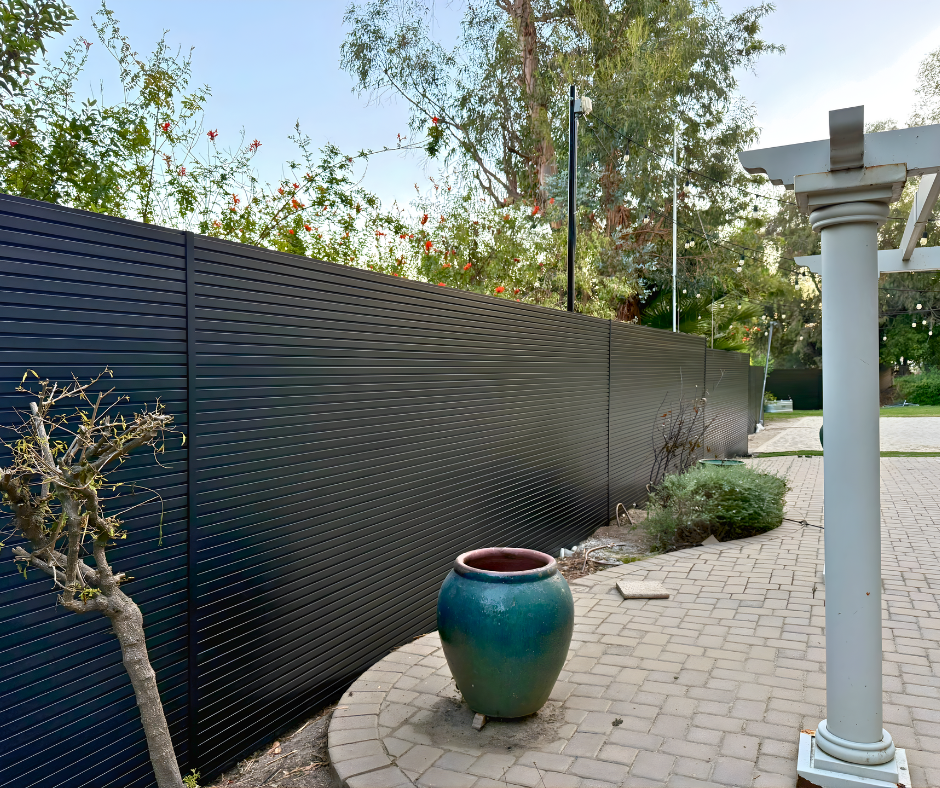
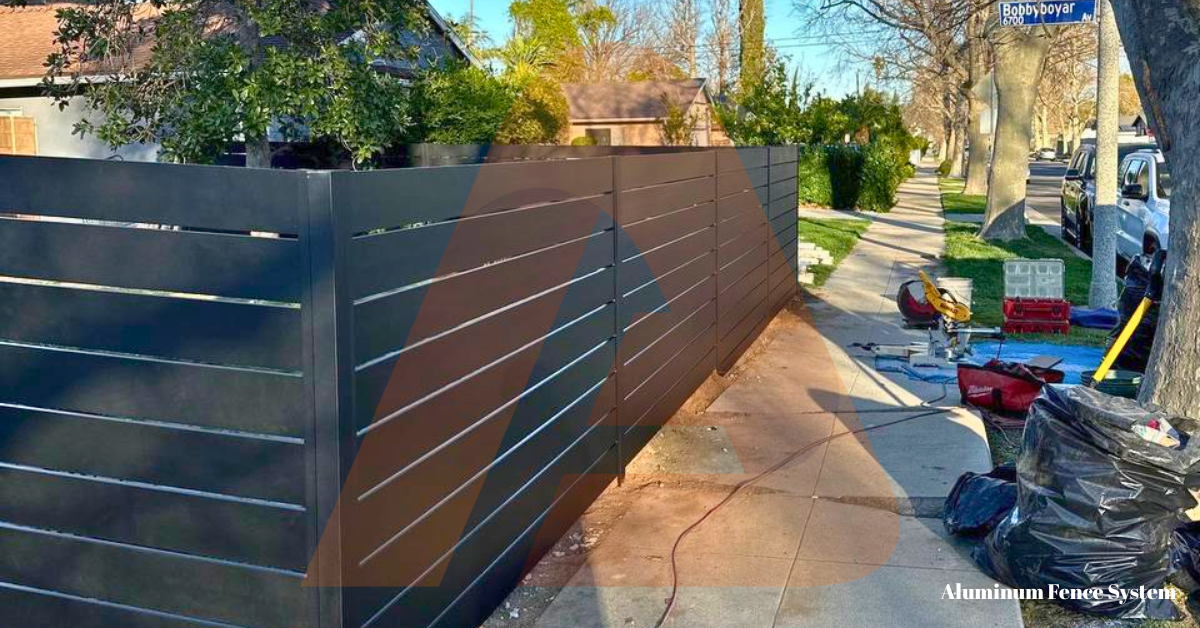
Aluminum fencing is a popular choice for homeowners who want a durable, low-maintenance option that complies easily with building codes. Aluminum is rust-resistant, lightweight, and safe, making it ideal for both coastal climates and wildfire-prone areas. Many homeowners searching for aluminum fence installation near me choose aluminum because it performs reliably under California’s strict environmental standards.
Aluminum fences also work well in areas that require visibility near sidewalks or streets, such as corner lots. They offer security without blocking sightlines, which helps them meet visibility regulations more easily than solid privacy fences. For many homeowners, aluminum offers the right balance of appearance, strength, and regulatory compliance.
FAQs
Do all California cities require a fence permit?
No. Many cities allow fences up to six feet without a permit, but rules vary widely.
How high can a privacy fence be without a permit?
Most cities allow up to six feet in backyards. Anything taller usually requires approval.
Who pays for a boundary fence between neighbors?
Under the Good Neighbor Fence Law, both neighbors share cost and responsibility.
Do HOAs have their own fence rules?
Yes. HOA guidelines may be stricter than city regulations.
Conclusion
Understanding California’s fence permits, height limits, and neighbor laws makes the installation process much easier. Whether you are building a new privacy fence or exploring aluminum fence installation near me, knowing the regulations helps you avoid delays, disputes, and costly corrections. With proper planning and a knowledgeable installer, you can build a fence that meets all legal requirements and enhances your property for years to come.