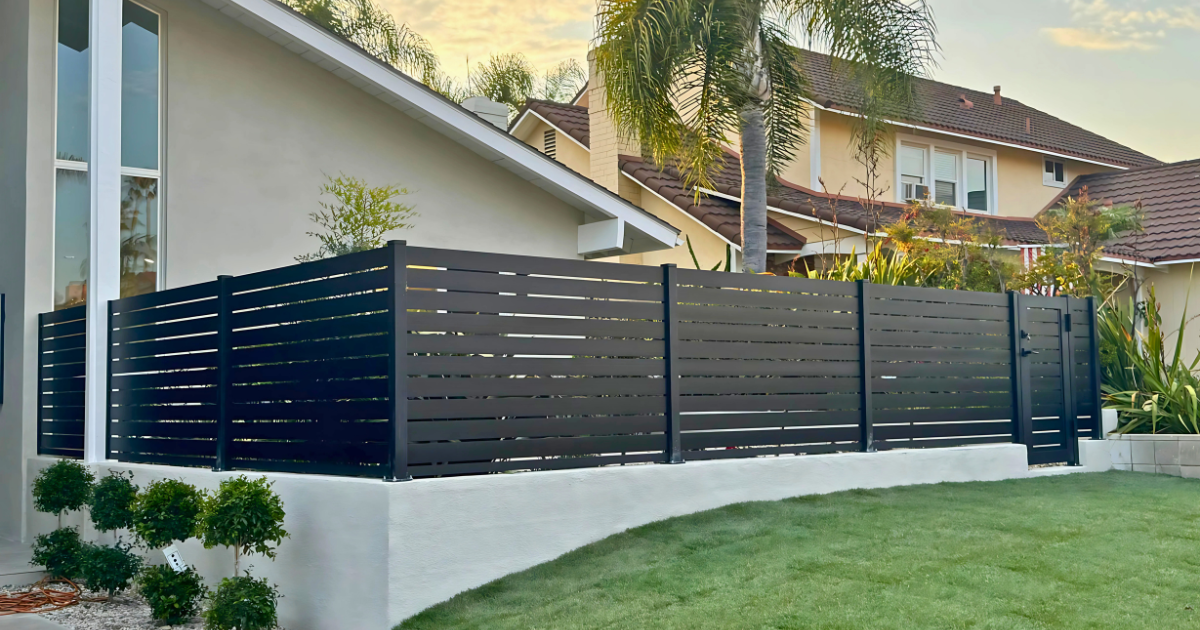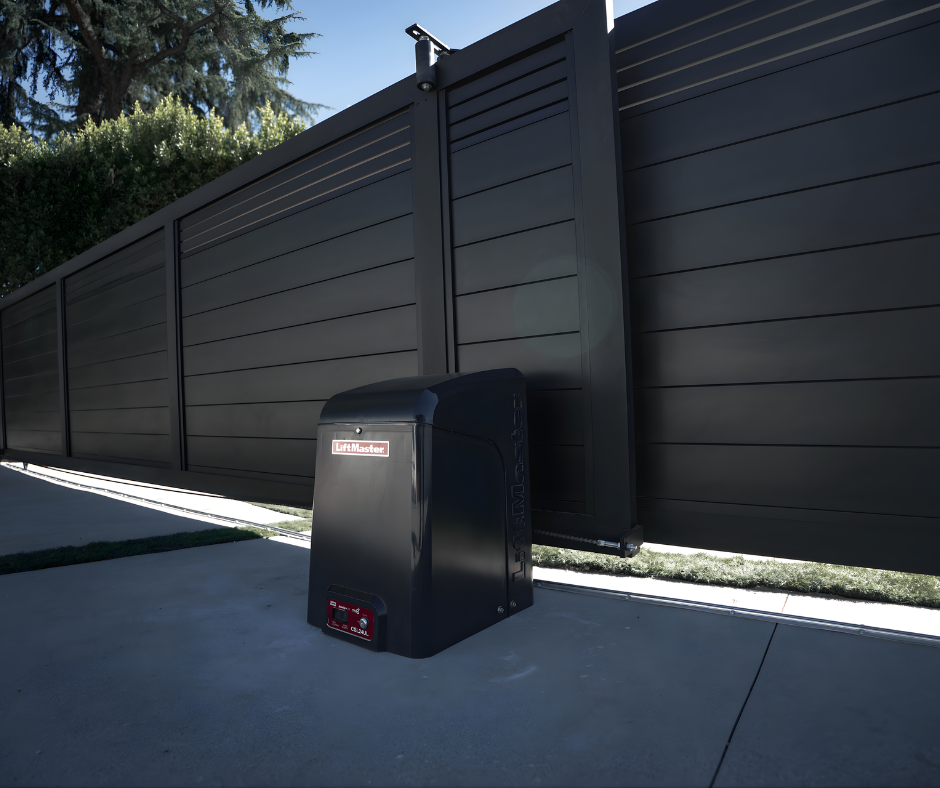

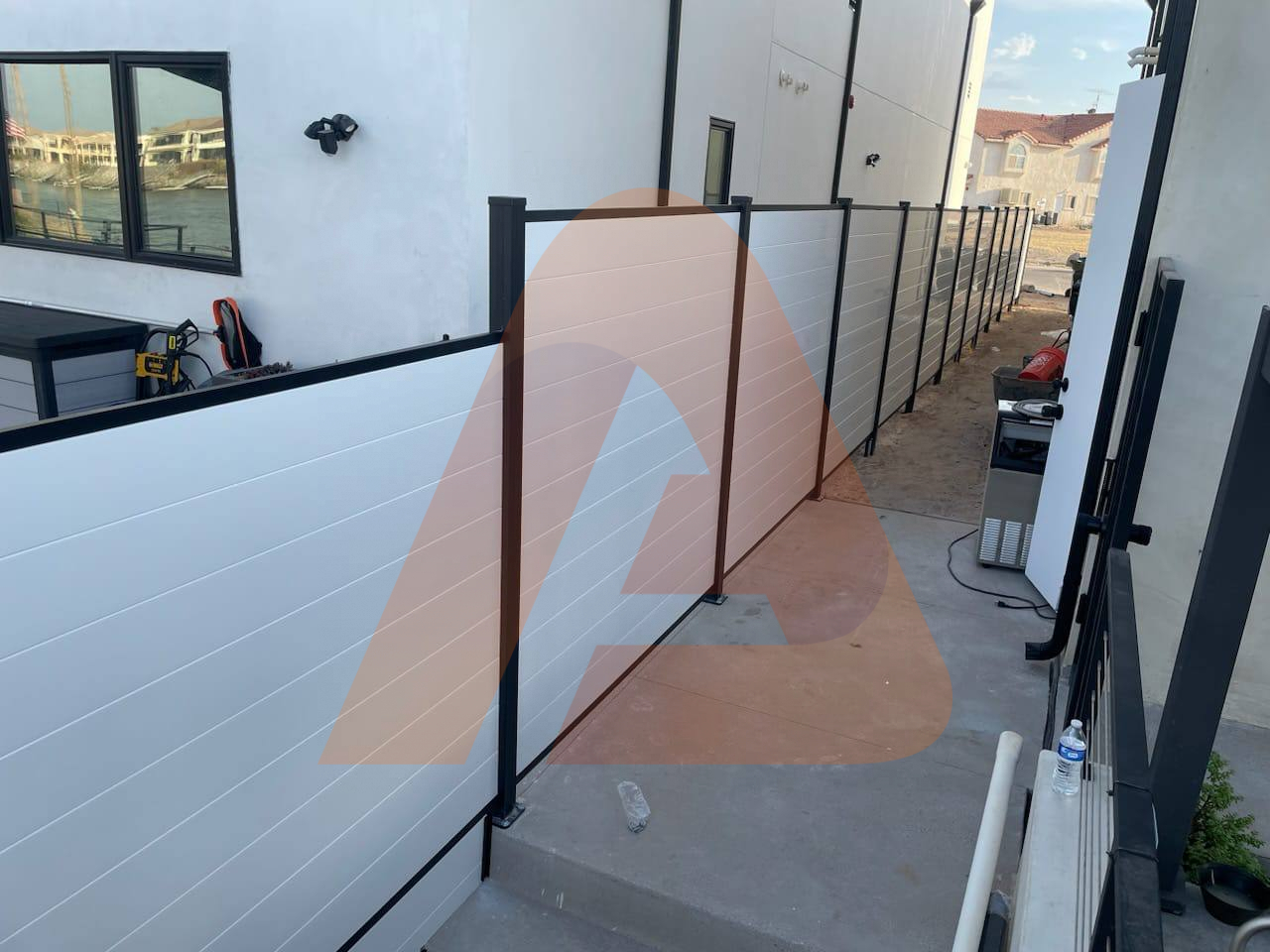
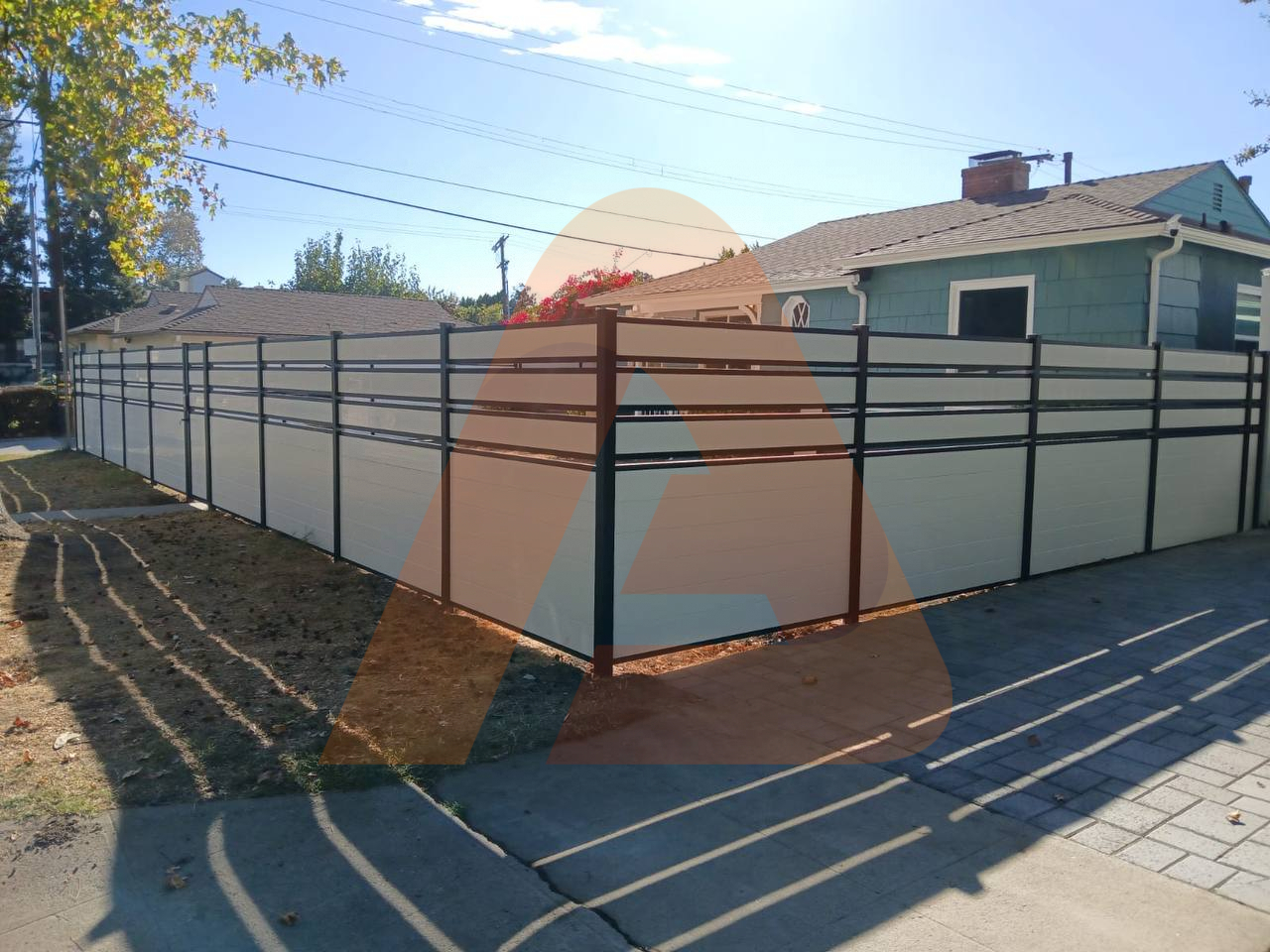
How to choose a Reliable Fence Contractor: 20-Point Hiring Checklist
- By alupost
- Posted on
Choosing a contractor to build or repair a fence around your home or property may not sound like rocket science, but believe me, getting it wrong can lead to headaches, wasted money, and a fence that fails sooner than you expect. That’s why I created this 20-point hiring checklist: to help you find a reliable, professional, and skilled contractor who’ll install a long-lasting fence. Whether you need residential, vinyl, wood, or chain-link fencing, or even commercial fencing services, this guide has you covered.
Why Choosing the Right Contractor Matters
The long-term impact of proper installation
A fence isn’t just a boundary; it’s security, privacy, aesthetics, and even property value. A well-installed fence with proper posts, quality materials, and correct soil preparation will stand firm for years. You don’t want to deal with leaning posts, rotting wood, sagging panels, or frequent repairs.
Risks of hiring poorly
Hire the wrong contractor, and you might get a fence that collapses, requires frequent maintenance, or violates local building codes. Poor workmanship can even result in damage to your property or disputes with neighbors. That’s why selecting wisely is more than just convenience, it’s protection.
Design Your Ideal 8 Feet Fence Today!
Contact us now to bring your vision to life with custom designs that fit your style and needs.
1.Verify Licensing and Insurance
Why is license + insurance crucial
A licensed contractor ensures that they’re recognized by local authorities and meet required standards for construction or installations. Insurance, both liability and workers’ compensation, protects you if something goes wrong: property damage, accidents, or injuries during installation.
What to ask/check
- Ask for their license number and verify it if possible.
- Request proof of liability insurance and workers’ compensation coverage.
- If they cannot provide documents, treat it as a red flag.
2. Confirm Experience & Specialty
Types of jobs (residential fencing, vinyl, wood, chain-link, commercial fencing services)
Not all fence contractors are equal. Some specialize in residential wood fences, others in vinyl fence installation, chain link fences, or even commercial fencing services.
Relevance to your project
Make sure the contractor you choose has experience with the exact type of fence you need. If you want a privacy wood fence, check if they’ve done wood fence installation before; if you need a vinyl or chain-link fence, find someone familiar with those materials.
3. Check Reviews, References, and Past Work
Online reviews and reputation
Check their reviews on platforms like Google or community boards. Look for consistent, positive feedback, especially about timely delivery, quality workmanship, and professional behavior.
Ask for references and local past clients
Ask the contractor for a list of recent clients, ideally ones who had similar fencing jobs. Contact them to gauge their satisfaction with the outcome, communication, and any issues that came up.
See actual completed jobs
If possible, ask to visit one of their previous job sites or view detailed photos. This helps you assess the quality of materials, the alignment of posts, the cleanup, the finish, and overall craftsmanship.
4. Get Multiple Detailed Written Estimates
What a good estimate includes
A reliable estimate should list: materials (wood, vinyl, posts, hardware), labor costs, permit fees (if any), site preparation costs, cleanup or removal fees, and a realistic timeline.
Compare estimates carefully
Don’t just compare final numbers. Look at what’s included. A lower price may hide cheaper materials, excluded permit handling, or extra fees later. Multiple estimates give you a better sense of fair pricing and what’s standard vs. too-good-to-be-true.
Design Your Ideal 8ft Aluminum Frame Fence Today!
Contact us now to bring your vision to life with custom designs that fit your style and needs.
5. Evaluate Materials & Fence Type Options
Wood vs. vinyl vs. metal vs. chain-link
Decide first what you want: natural, classic look (wood), low-maintenance (vinyl or metal), or budget-friendly & functional (chain-link). Your contractor should give you options and tell you the pros and cons based on the local climate and intended use.
Suitability for your climate, purpose (privacy, yard, security)
If you need privacy, consider a full wood or vinyl privacy fence. For a yard that needs security but minimal maintenance, maybe vinyl or metal. If pets or kids are involved, a chain-link may be more practical. Your contractor should help guide you.
6. Ask About Permits and Local Regulations
Permits required for fencing
Many localities require permits for new fences, especially if they exceed a certain height or are near property lines. A good contractor knows local codes and is willing to secure necessary permits.
Who handles permit applications?
Clarify whether the contractor will handle permits or if you need to do it yourself. Avoid contractors who insist on skipping permits or doing “under-the-table” work that can lead to legal issues later.
7. Review the Contract Thoroughly
Scope of work, timeline, payment schedule, warranties
Your contract must clearly detail what’s being done: materials, number of posts, type of fence, gates, depth of posts, cleanup, timeline, payment terms, and warranties (if any). Never rely on verbal promises.
Avoid vague or verbal-only agreements
Verbal promises can lead to misunderstandings or added costs later. A written contract protects you and holds the contractor accountable.
8. Confirm Posts, Posts-Setting Method & Site Preparation
Proper post-setting and anchoring
Fence longevity depends heavily on how posts are set and anchored into the ground. Good contractors ensure posts are anchored correctly, with proper depth and materials, to prevent leaning or shifting over time.
Handling slope, soil, obstacles, and utility lines
If your yard has uneven terrain, slopes, old fencing, tree roots, or underground utilities the contractor should assess these and explain how they’ll manage such challenges before starting.
Design Your Ideal 8ft Aluminum Frame Fence Today!
Contact us now to bring your vision to life with custom designs that fit your style and needs.
9. Understand Cleanup & Waste Removal Responsibilities
Old fence removal, debris, disposal
If replacing an existing fence, ask whether old materials will be removed. Also, clarify debris disposal, you don’t want to be stuck with a messy yard after installation.
Final site condition
Good contractors commit to leaving your yard clean, safe, and ready to use once work is done. That shows professionalism and respect for your property.
10. Ask for Warranty or After-Service Guarantee
What should be covered (materials, workmanship, repairs)
Ask if the contractor offers a warranty for example, covering installation defects or material failures. This can save you cost and hassle if problems arise later.
Duration and terms
Make sure you understand the length of the warranty and what it includes (labor, materials, maintenance, repairs) and whether there are conditions that nullify it.
11. Check Contractor’s Communication & Professionalism
Responsiveness, clarity, transparency
Good communication (prompt replies, clarity in explanations, transparency in pricing and schedule) is often a hallmark of a professional, reliable contractor.
Detailed answer to your questions
A trustworthy contractor should happily answer questions about materials, timeline, costs, permits, and potential problems not dodge or give vague answers.
12. Avoid Choosing Based Solely on Lowest Price
Why “too cheap” can cost more later
A very low bid might mean poor materials, inexperienced labor, lack of insurance or shortcuts. That often leads to frequent repairs, safety issues, or even fence replacement.
Value over price
Better to pay a fair price for quality workmanship, robust materials, and full service than save a few bucks now and pay much more later. Think long term.
13. Confirm Timeline and Scheduling Realism
Project start, completion estimate, delays and contingencies
Ask when the project will start, how long it will take, and what might cause delays. A reliable contractor gives realistic timelines and warns you about possible weather, permit, or material delays.
Payment schedule tied to milestones
Don’t pay full upfront. A reasonable schedule might include a small deposit, partial payment at a midpoint, and final payment upon completion. This protects you and ensures the job gets done.
Design Your Ideal 8ft Aluminum Frame Fence Today!
Contact us now to bring your vision to life with custom designs that fit your style and needs.
14. Ensure the Contractor Understands Your Property’s Unique Conditions
Terrain, slope, soil, existing landscaping
Every property is different. A good contractor will inspect your yard, consider slopes, soil type, trees, and existing landscaping, and plan accordingly. Sloppy planning leads to weak fences.
Utility lines, gates, special features
If you have underground utilities, water lines, or special garden features the contractor should know where they are. Ask if they’ll locate utilities before digging posts.
15. Compatibility with Your Desired Fence Type
If you’re after a privacy fence, check whether the contractor has experience building dense, tall fences (wood or vinyl). If you want a vinyl fence contractor, ensure they’ve done vinyl fence installation before. For chain link fence installation, verify their expertise with chain-link. For wood fence installation, check their knowledge of wood types, posts, sealing, etc.
16. Check for Commercial Fencing Services (if needed)
If you need fencing on a larger scale, like for a commercial property, large yard, or multiple gates, make sure the contractor offers commercial fencing services and has the manpower, materials, and experience to handle larger jobs.
17. Clarify Maintenance and Future Repair Plans (fence repair companies)
Ask whether the contractor also offers fence repair services or maintenance packages. A contractor who stands by their work may offer repair or maintenance services down the road a plus if weather or wear & tear affects your fence.
18. Transparency About Additional Costs & Contingencies
Make sure the estimate or contract clarifies possible extra costs, such as permit fees, land-survey fees, cleanup or disposal costs, extra labor for difficult terrain, utility line detection, or add-ons like gates. This prevents surprise costs mid-project.
19. Payment Terms & Avoiding Large Upfront Payments
Beware of contractors demanding large upfront deposits, especially 50% or more, before work begins. A small deposit or payment plan tied to milestones (e.g,. after post-setting, after panels done, after final cleanup) shows professionalism.
20. Trust Your Instincts & Pick a Contractor You Feel Comfortable With
At the end of the day, you need to feel confident. If something feels off, unclear answers, evasive about licenses or permits, or poor communication, that’s a warning sign. Go with someone you trust, who listens, and shows transparency from the start.
Design Your Ideal 8ft Aluminum Frame Fence Today!
Contact us now to bring your vision to life with custom designs that fit your style and needs.
Fence Contractors Near Me
Looking for fence contractors near me who actually show up, pull permits correctly, and finish on schedule? We install premium aluminum, vinyl, and composite systems across Pacific Palisades, Brentwood, Santa Monica, West LA, and Topanga. You get factory-made materials (powder-coated, rust-free) plus a crew that knows LA slope/soil issues, wind exposure, and HOA rules.
Get a same-day estimate and a clear install timeline — no surprises, no excuses.
Privacy Fence Contractor: Quiet, Tall, Code-Compliant
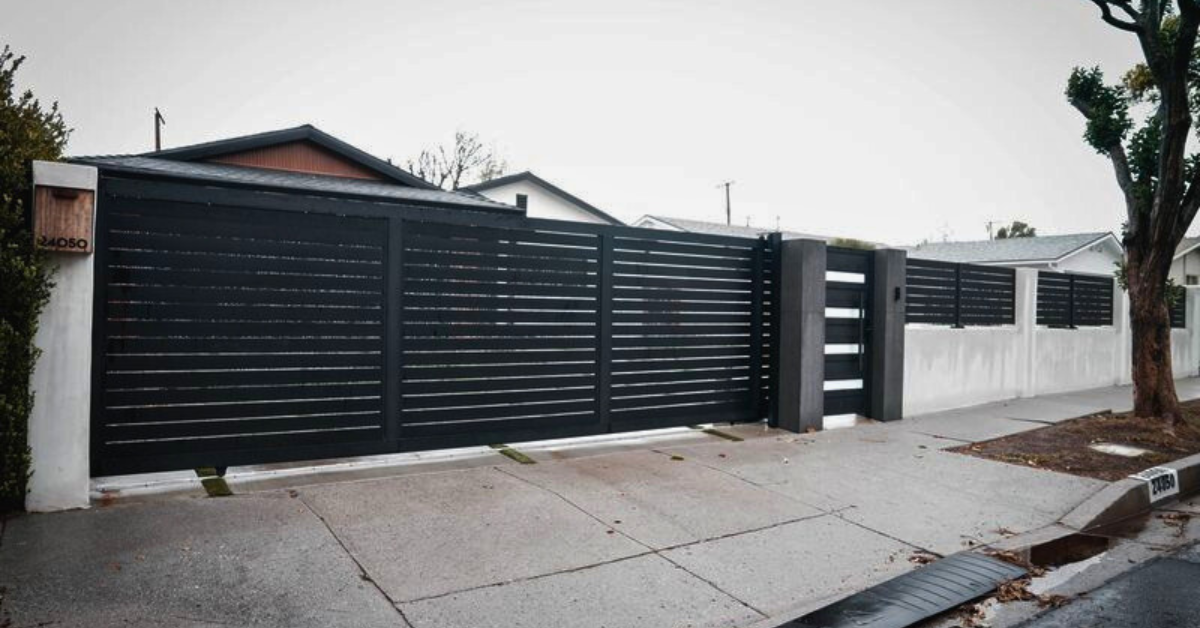
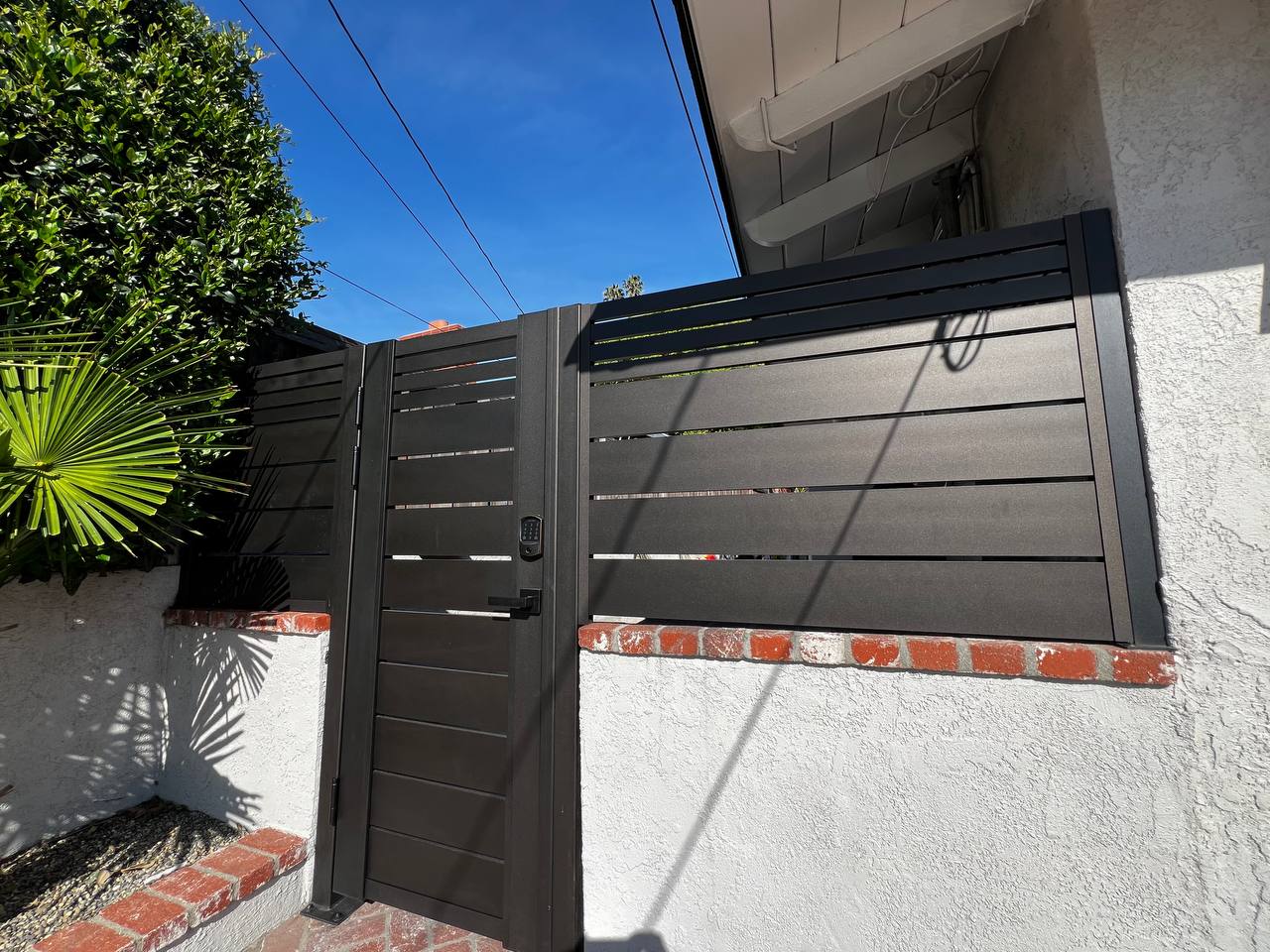
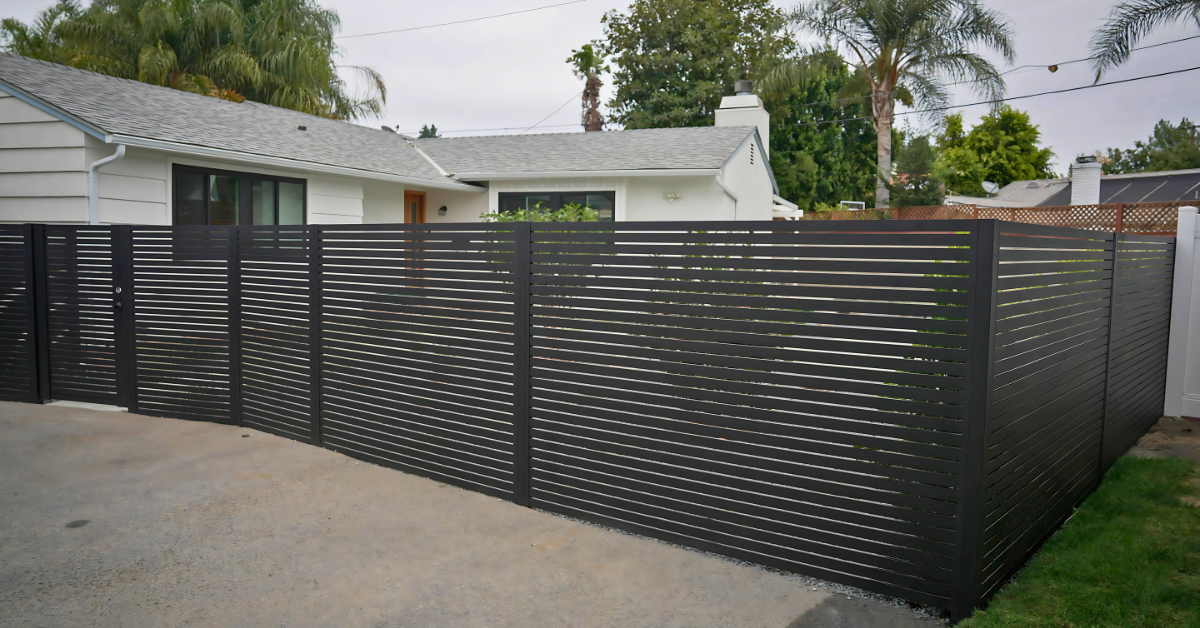
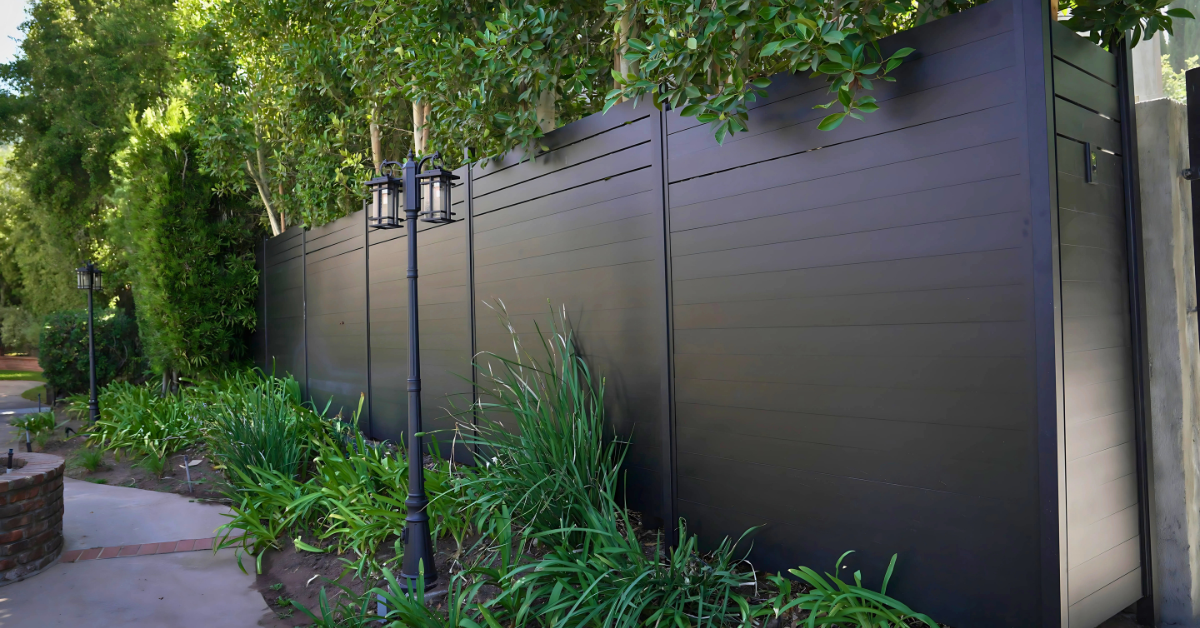
If you searched privacy fence contractor, you want two things: coverage and compliance. We build 6–8 ft privacy solutions (where allowed) using aluminum T&G, horizontal slats, or hybrid aluminum frame + composite infill. Panels are rigid, low-maintenance, and designed to reduce sightlines from neighbors and the street.
We handle site checks, HOA approvals, and permits so you don’t have to argue heights or setbacks with the city.
Recommended systems:
ALU50 T&G for full privacy and clean modern look
ALU40/ALU60 horizontal for semi-privacy with airflow
Aluminum frame + composite for warm aesthetics, zero rot
Conclusion
Hiring a fence contractor is more than just finding someone who swings a hammer it requires careful vetting, clear communication, and attention to detail. By following this 20-point hiring checklist, you’ll significantly increase your chances of getting a fence that’s built right, lasts long, and adds value and security to your property.
Take your time, ask the right questions, compare estimates, and don’t be seduced by low prices alone. A good contractor brings peace of mind, quality workmanship, and a fence you can trust for years.
Leave your request
Leave a request and we will contact you within 15 minutes.
FAQs
Do you handle permits and HOA approvals?
Yes — our team of licensed fence contractors manages the entire approval process for you. That includes site surveys, setback and height checks, HOA submittals, and city inspections. This way you don’t risk fines or delays, and your new fence or privacy gate is fully compliant the first time.
How fast can you start after I approve the quote?
Most projects move quickly. Once you sign off on your estimate, our fence contractors near you typically start within 1–2 weeks. Smaller repairs or replacements may begin even sooner, while larger custom privacy fences may take additional time for fabrication. Either way, you’ll always have a clear start date and timeline.
What’s the best material for a privacy fence near the coast?
For coastal Los Angeles neighborhoods, the safest choice is a powder-coated aluminum privacy fence. Unlike wood or iron, aluminum won’t warp, rot, or rust — even with heavy salt air. Many homeowners searching for a privacy fence contractor choose tongue-and-groove aluminum because it delivers both coverage and long-term durability with minimal upkeep.
How long does a fence installation take?
On average, residential fence installations take 1–3 days. Larger perimeter fences, custom gates, or complex hillside projects can stretch to 3–7 days. Your assigned fence contractor will provide a full project timeline upfront so you know exactly what to expect, from demolition to the final walkthrough.
Do you repair existing fences and gates?
Yes, we don’t just build new systems — we also handle repairs. Our fence contractors in your area can replace posts, straighten leaning runs, refit gates, or swap in new aluminum panels. This is a cost-effective way to extend the life of your existing fence without starting from scratch.