
Is It Safe to Install a Driveway Gate Without a Contractor? Pros, Cons, and Risks
- By alupost
- Posted on
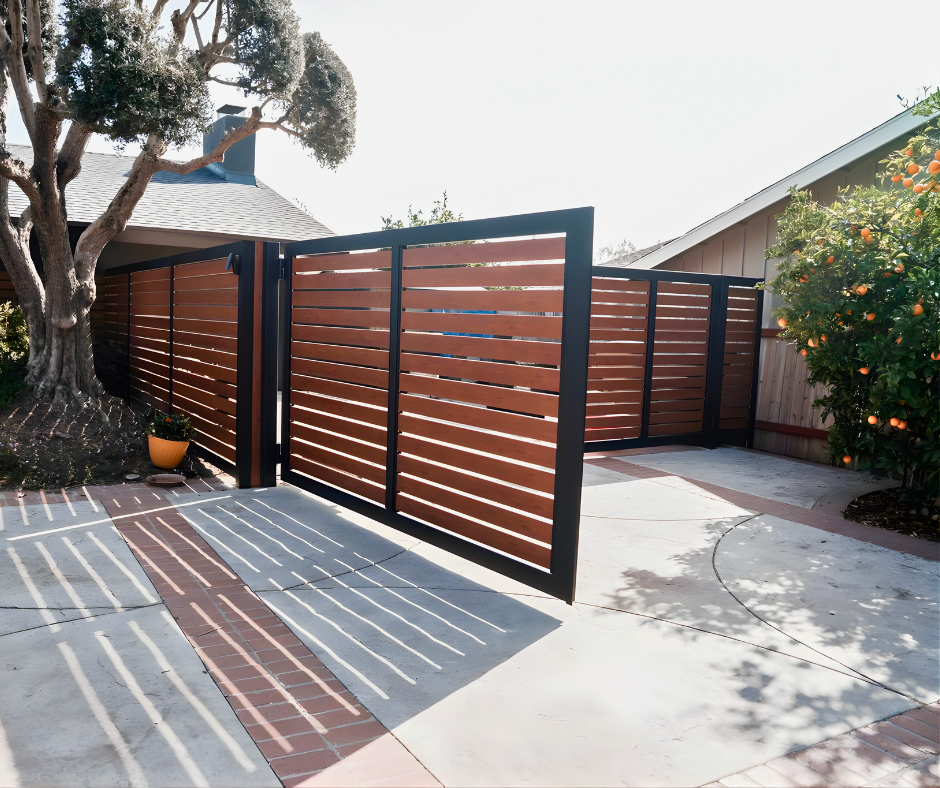
Driveway gates have become increasingly popular across California. They enhance home security, elevate curb appeal, and create a clear boundary of privacy — all things homeowners value in suburban and high‑traffic areas. But as driveway gates become more common, many homeowners find themselves asking an important question: “Is it safe to install a driveway gate without a contractor?”
DIY driveway gate installation is possible, but not always easy — and not always safe. Installing a gate requires structural stability, proper alignment, concrete setting, and in many cases, electrical skills. Before deciding whether to take on this project yourself or hire a professional, it’s essential to understand the tools required, the difficulty level, the risks involved, and the potential long‑term effects of a DIY installation.
How DIY Driveway Gate Installations Work - California Homeowners Guide
A successful gate installation requires more than simply attaching a gate panel to posts. It involves careful planning, accurate measurements, and correct use of tools designed for stability and long‑term durability. In California — where soil types vary greatly, from sandy coastal terrain to dense inland clay — the way you install your posts and align your gate dramatically affects long‑term performance.
Most homeowners attempt a DIY installation because they believe it will save money, or because they’ve already tackled other yard or fencing projects. But driveway gates are heavier, more mechanical, and more safety‑sensitive than standard fencing. Before beginning, it’s important to understand what’s needed.
Design Your Ideal Fence & Gates Today!
Bring your vision to life with premium aluminum fencing, custom gates, and modern cladding solutions crafted to elevate any property.
Schedule A ConsultationShopTools Required for DIY Driveway Gate Installation
Installing a driveway gate without a contractor requires a solid toolkit. At minimum, you’ll need a post‑hole digger or auger to create deep, stable holes for the gate posts. A level is crucial to ensure both posts stand perfectly straight, because even a slight tilt can cause the gate to sag or swing improperly. You will also need a tape measure, a drill equipped with various bits, a socket wrench set for tightening hardware, and concrete‑mixing tools to secure the posts.
These tools aren’t simply optional — they’re essential for ensuring your gate remains strong and functional for years. Homeowners often ask, “How do I know if I have the right tools?” If you lack experience with levels, augers, or concrete setting, DIY installation becomes significantly more challenging, and safety risks increase.
Materials Required to Install a Driveway Gate
Whether you’re installing an aluminum, steel, or wooden driveway gate, the basic materials are similar. You’ll need durable gate posts, strong hinges, bolts, brackets, and enough concrete to firmly anchor the posts. If you’re planning to install an automatic gate opener, you’ll also need wiring, sensors, mounting brackets, and possibly solar equipment depending on your setup.
Homeowners pairing their driveway gate with aluminum fencing frequently search “aluminum fence installation near me” to ensure they use matching materials or hire professionals to help integrate the gate into an existing fence line.
Design Your Ideal Fence & Gates Today!
Bring your vision to life with premium aluminum fencing, custom gates, and modern cladding solutions crafted to elevate any property.
Schedule A ConsultationShopTime Required, Difficulty Level & Skill Needed
This is not a quick weekend project unless you already have experience with similar installations. A manual driveway gate generally takes between 4 to 8 hours to install, not including concrete curing time, which requires an additional 24 to 48 hours before hanging the gate. Automatic gates take significantly longer because of the added complexity of wiring, motor installation, sensor alignment, and testing.
The difficulty level for DIY driveway gate installation is moderate for manual gates, and advanced for automatic gates. Without a contractor, you shoulder full responsibility for any misalignment, electrical issues, or safety hazards that arise.
Pros of Installing a Driveway Gate Without a Contractor
Cost Savings – Labor is often the most expensive part of driveway gate installation in California. By installing your gate yourself, you avoid a contractor’s fee and potentially save hundreds or even thousands of dollars. This makes DIY appealing to many homeowners — but cost savings must be weighed against the risk of improper installation, which may require expensive repairs later.
Complete Customization – DIY installation allows you to choose every detail, from gate material to hinge placement. If you already have aluminum fencing and want your driveway gate to match, you can align everything exactly as you like. Some homeowners enjoy the flexibility and hands‑on control that comes with DIY projects.
A Satisfying Learning Experience – Successfully installing your own driveway gate can be highly rewarding, especially for homeowners who enjoy hands‑on improvement projects. It’s an opportunity to learn valuable skills and understand the mechanics of your gate system.
Cons & Safety Risks of DIY Driveway Gate Installation in California
Safety Hazards — Especially with Automatic Gates
One of the most serious risks of DIY installation involves automatic gate openers. These systems require precise alignment, proper wiring, sensor installation, and force calibration. Small mistakes can result in serious injury, property damage, or malfunction. Homeowners often ask, “Is it safe to install an automatic driveway gate without a contractor?” In most cases, it’s best left to professionals, especially given California’s strict safety requirements for gate automation.Structural Problems — Misalignment, Sagging & Dragging
Improper post installation is one of the most common DIY mistakes. If posts aren’t deep enough, or if concrete isn’t mixed and set properly, the gate will lean or sag over time. A misaligned driveway gate can drag on the ground, fail to close, or break hinges. Fixing these issues typically requires more time and money than hiring a professional from the start. Many homeowners ask, “What if my DIY driveway gate isn’t level?” Unfortunately, the answer often involves reinstallation.California Permit, Code & HOA Requirements
Some California cities and HOAs have rules regarding gate height, setbacks, automatic gate safety sensors, or visibility requirements. Installing without a contractor means you must research and follow these regulations yourself — and failure to comply can lead to fines or required removal.Long‑Term Repair & Maintenance Costs
DIY installation may save money upfront but cost more long‑term. If the gate begins to sag, the opener malfunctions, or the posts shift, you may need to hire a contractor to fix the work — often at a higher price than the original installation cost.Can You Install an Automatic Driveway Gate Yourself?
Technically, yes. But practically, it’s risky unless you have electrical experience and understand gate mechanics. Automatic gates require proper wiring, working sensors, motor arm stability, and programming. This complexity is why many homeowners eventually search for driveway gate contractors near me or aluminum fence installation near me to find professionals who can safely handle the job.
When You Should Hire a Driveway Gate Contractor California‑Specific
Hiring a contractor is the safer choice if:
Your driveway is uneven or sloped
The gate is heavy or oversized
You’re installing an automatic opener
You’re unfamiliar with concrete or electrical work
Your HOA or city requires professional installation
You want a warranty on materials and labor
In California, where property regulations and soil conditions can vary widely, a professional contractor ensures your gate is both safe and compliant.
FAQs
Can I install a driveway gate on a sloped driveway?
Yes, but you may need a sliding gate or rising‑hinge system to prevent ground drag. Standard swing gates often struggle with uneven ground.
Is aluminum a good material for driveway gates in California?
Absolutely. Aluminum is lightweight, rust‑resistant, and ideal for coastal California climates. It pairs well with aluminum fencing and requires minimal maintenance.
Do I need a permit to install a driveway gate in California?
Some cities and HOAs require permits for gate installation, particularly if you’re using an automatic opener or if the gate alters public access. Always check local regulations before starting your project.
Can I add an opener later if I install a manual gate now?
Yes. Many driveway gates are designed to be upgraded to automatic systems later on, provided the posts and gate structure are strong enough.
What if I install the gate incorrectly?
Improper installation can lead to sagging gates, malfunctioning openers, or safety issues. If you encounter problems, a professional contractor can often fix them, but the repairs may cost more than the original professional installation would have.
How do I find reliable driveway gate contractors near me?
Search terms like “driveway gate contractors near me” or “aluminum fence installation near me” will yield local professionals. Look for installers with strong reviews, proper licensing, and experience with the type of gate you want.
Are solar‑powered gate openers reliable in California?
Yes. California’s sunny climate makes solar‑powered gate openers a convenient and eco‑friendly option. However, proper installation and battery capacity are important for consistent performance.