
Contemporary Gates in California: Design Options, Safety Features & Budget Guide (2026)
- By Admin
- Posted on
Contemporary gates blend style, security and practical value for California properties. This guide explores design trends, material advantages, safety features, automation options and realistic budget planning. Read on to learn how to choose, customize and maintain a gate that fits your property, meets local regulations and matches long term goals for curb appeal and reliability.
Contemporary gate trends for California properties
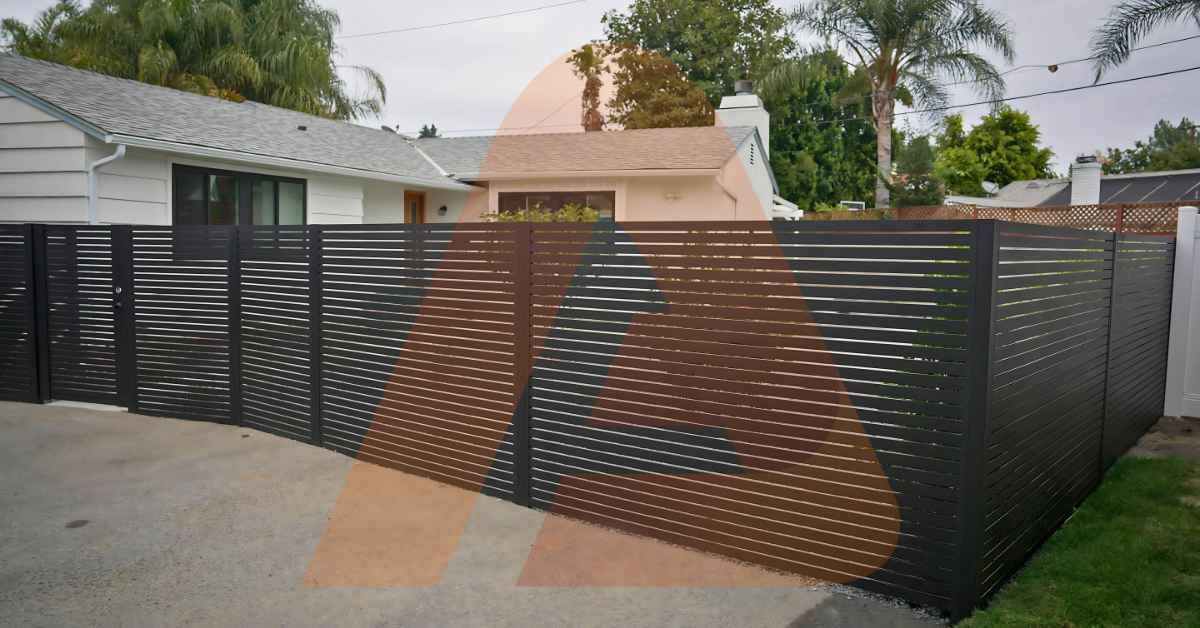
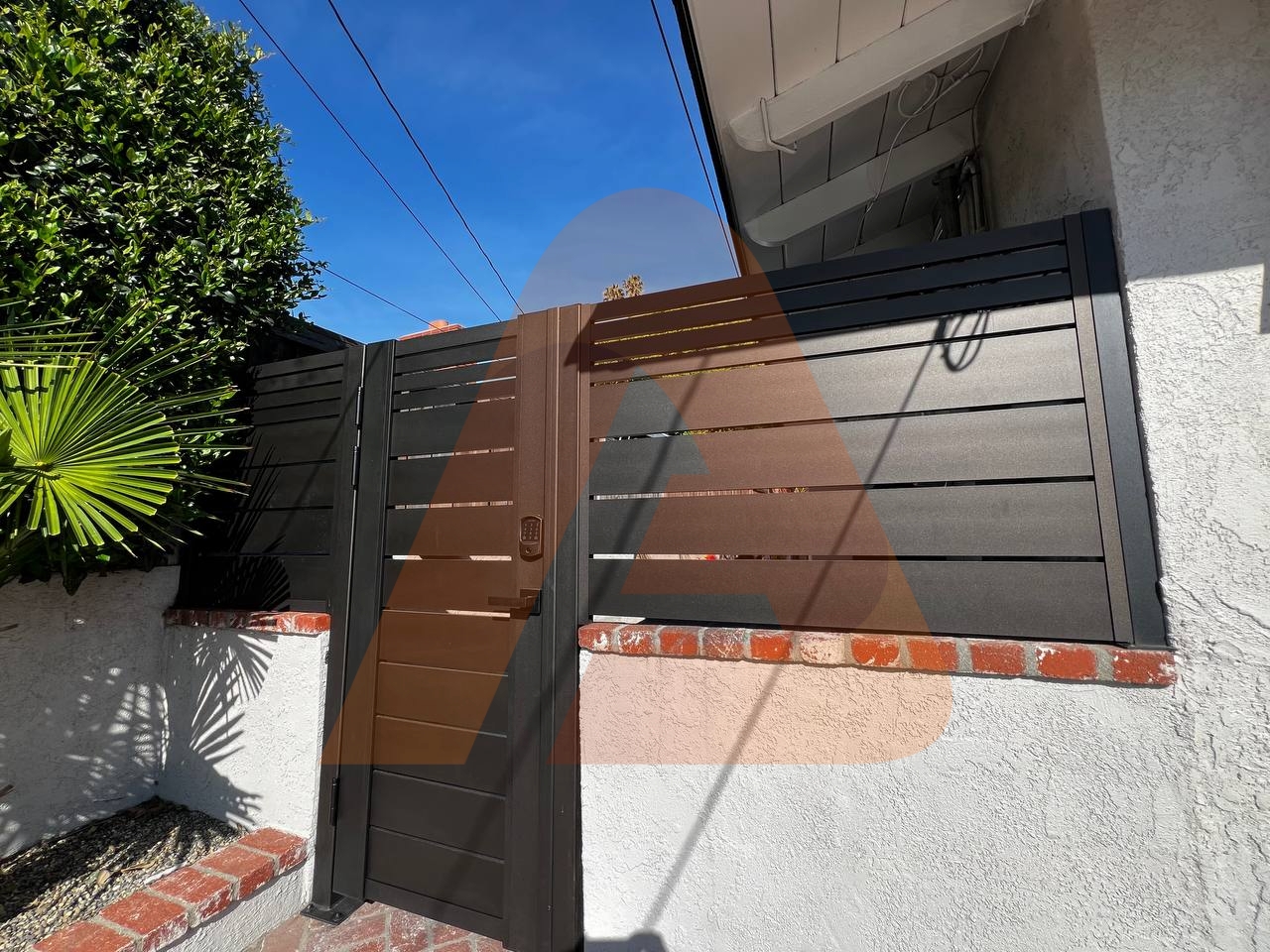
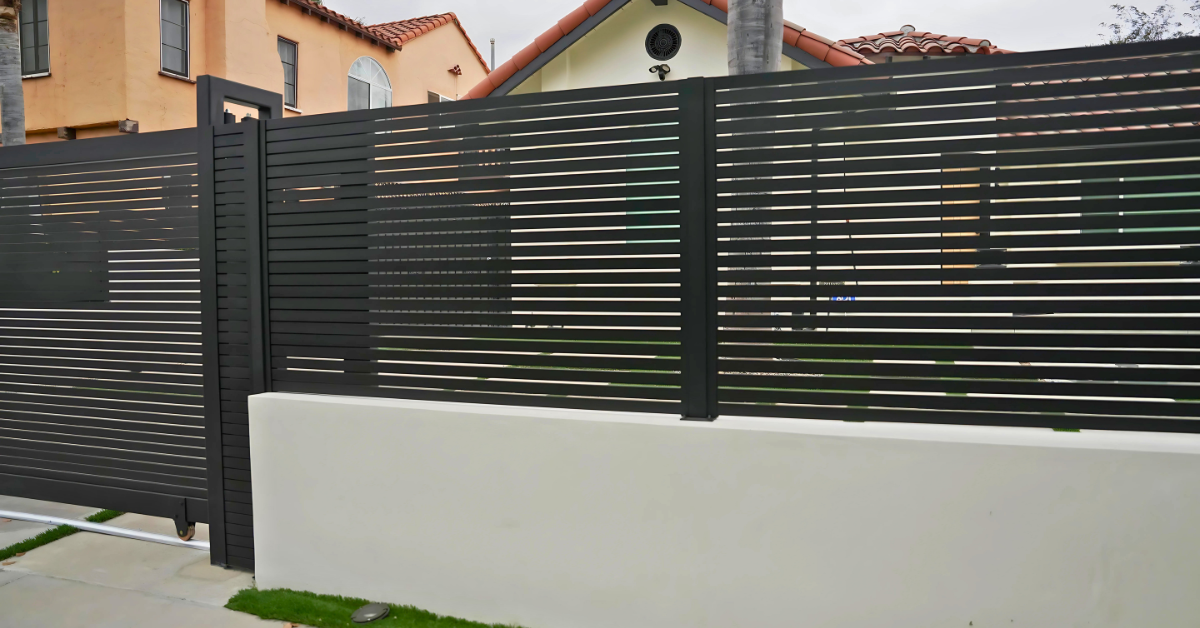
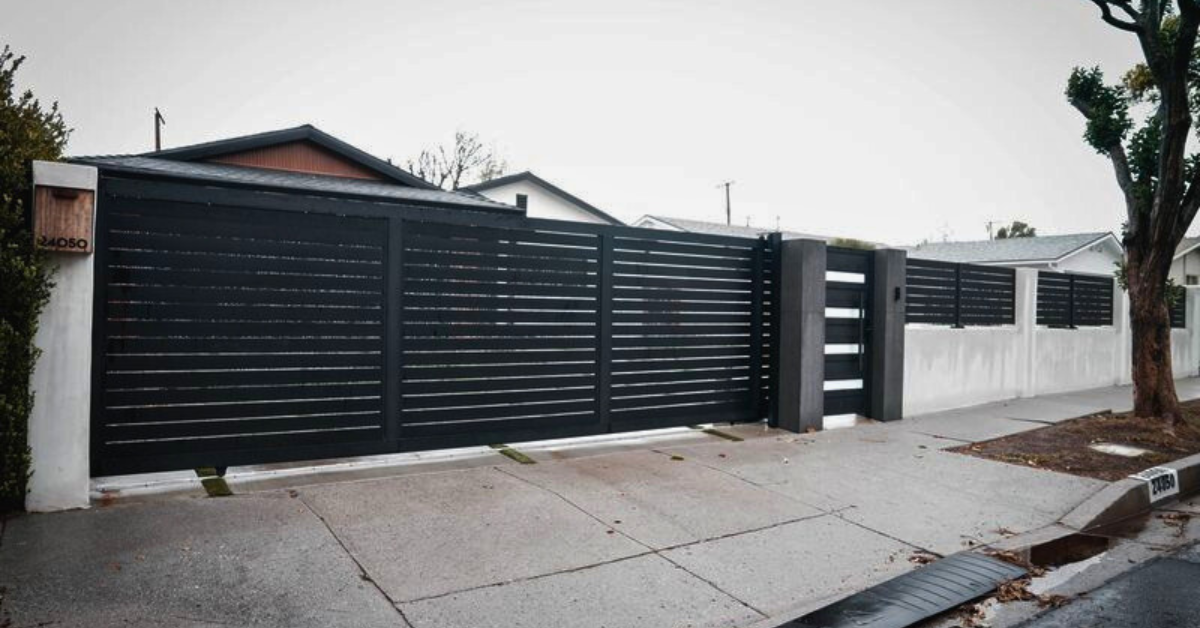
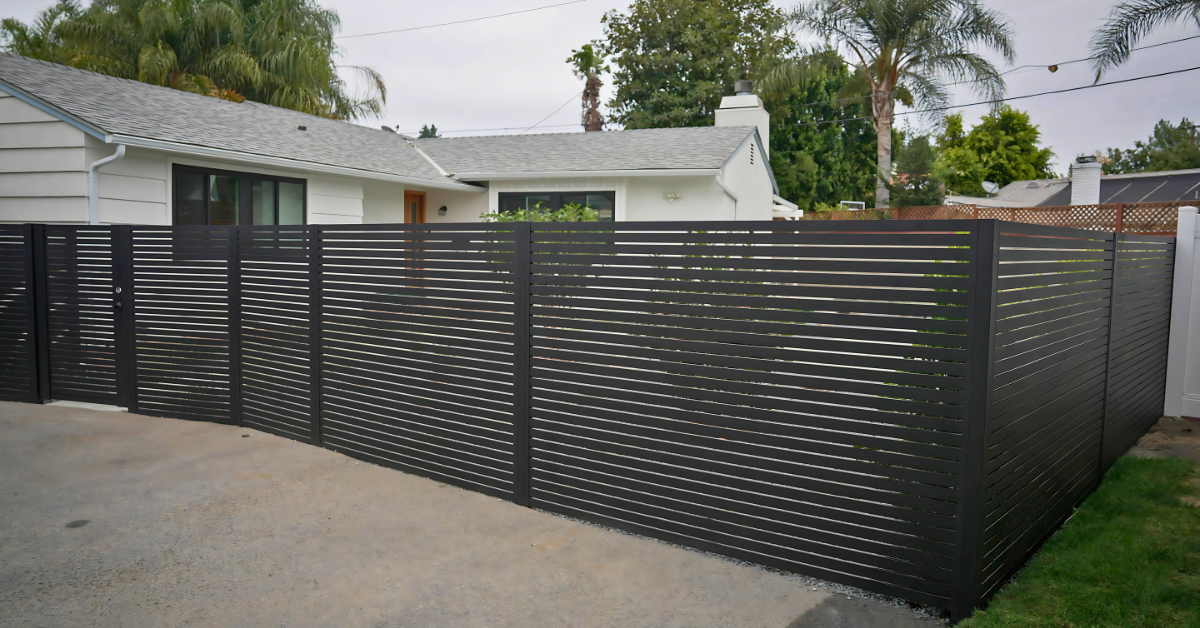
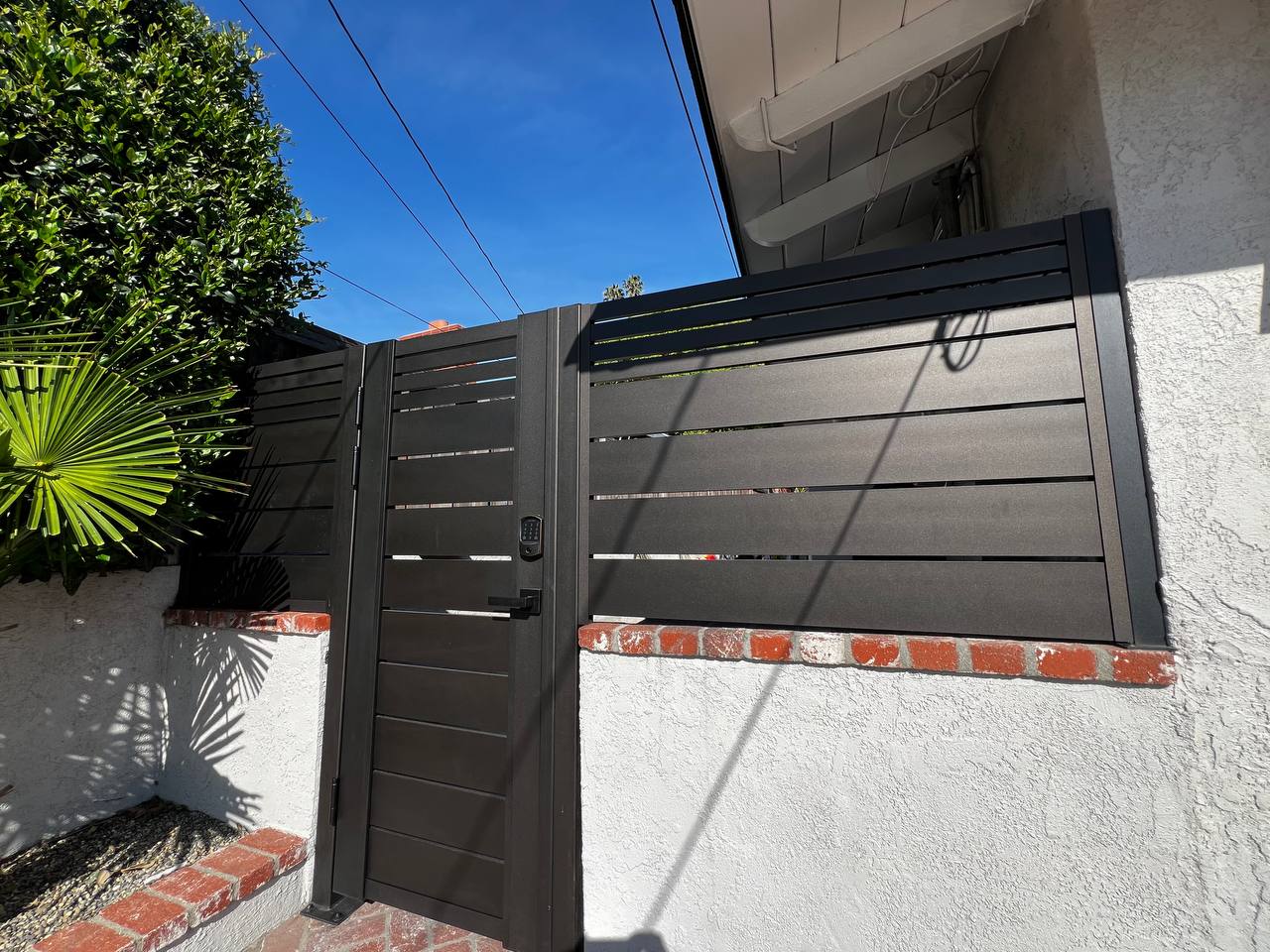
Contemporary gate trends emphasize clean lines, modular panels and material honesty. Homeowners favor horizontal slats, minimal ornamentation and mixed materials for visual depth. Choose proportions that match your home facade and landscape. Scale matters: oversized gates overwhelm smaller homes while slender profiles suit compact lots. Consider finishes that resist coastal salt and sun damage. Prioritize sightlines and curb appeal while planning security features so aesthetics do not compromise safety. Where appropriate blend vertical and horizontal elements to balance privacy with light. Early design sketches and sample finish boards help finalize a confident direction before budgeting and permitting.
Material choices and why aluminum leads
Material selection drives durability, maintenance and cost. Aluminum combines corrosion resistance with light weight and strong structural properties. It accepts powder coat finishes for long life and many tones. Review three practical reasons aluminum stands out: low maintenance, longevity and design flexibility. Explore benefits and lifecycle expectations in the benefits of aluminum fencing durability security and low maintenance. See common homeowner motivations in top 10 reasons to choose an aluminum fence. For style and structural options consult aluminum fencing style and strength in every element to match aesthetic goals with performance.
Design your ideal fence and gates today approach
Design Your Ideal Fence & Gates Today frames decisions around function, budget and ease of ownership. Start by listing needs: privacy, dog containment, vehicle access and visual impact. Prioritize features that return value like low maintenance finishes and modular construction. Consider sample palettes and gate profiles to narrow choices quickly. Request preliminary estimates and schematic drawings from professionals to compare options without heavy commitments. Use this design first mindset to create phased upgrades. Phasing allows better budget control and early security benefits while retaining the freedom to upgrade automation or decorative panels later.
California B2B considerations and office furniture marketing linkages
B2B buyers in California evaluate gates like other facility assets. Decision makers weigh lifecycle cost, vendor reliability and installation scheduling. For office campus upgrades coordinate gate timelines with landscaping, access control and furniture deliveries. Use centralized procurement to streamline approvals. Share site coordinates with vendors using a live map to align logistics—use Google Maps to confirm access and staging areas. Emphasize warranties and service agreements during vendor selection. When presenting options to stakeholders show comparative lifecycle costs and how modern gates complement professional exterior furnishing and branding.
Essential safety features and compliance
Safety must be integrated from the first sketch. Include obstruction sensors, manual release, photo eyes and rated locking mechanisms. Confirm anti climb measures and appropriate spacing of slats to meet local codes. Design for emergency access and incorporate fail safe manual overrides for power loss. Use clear signage and testing routines. Consult code checklists and coordinate with inspectors early to avoid costly redesigns. Prioritize devices that reduce liability and support insurance requirements. Regular testing and documented maintenance will keep protective systems reliable and defensible if questions arise.
Automation systems and smart access options
Automation adds convenience but requires planning. Choose operators rated for gate weight and cycle frequency. Consider battery backup, solar assistance and remote access protocols. Balance convenience features with cybersecurity measures to prevent unauthorized access. Plan conduit runs and access control wiring during installation to avoid retrofits. Select systems that allow integration with video intercoms and mobile remote control. Test latency and failover behavior, and document user procedures for staff or family. Well integrated automation improves daily experience while preserving safety and reduces the need for manual gate handling.
Achieving privacy and acoustic benefits
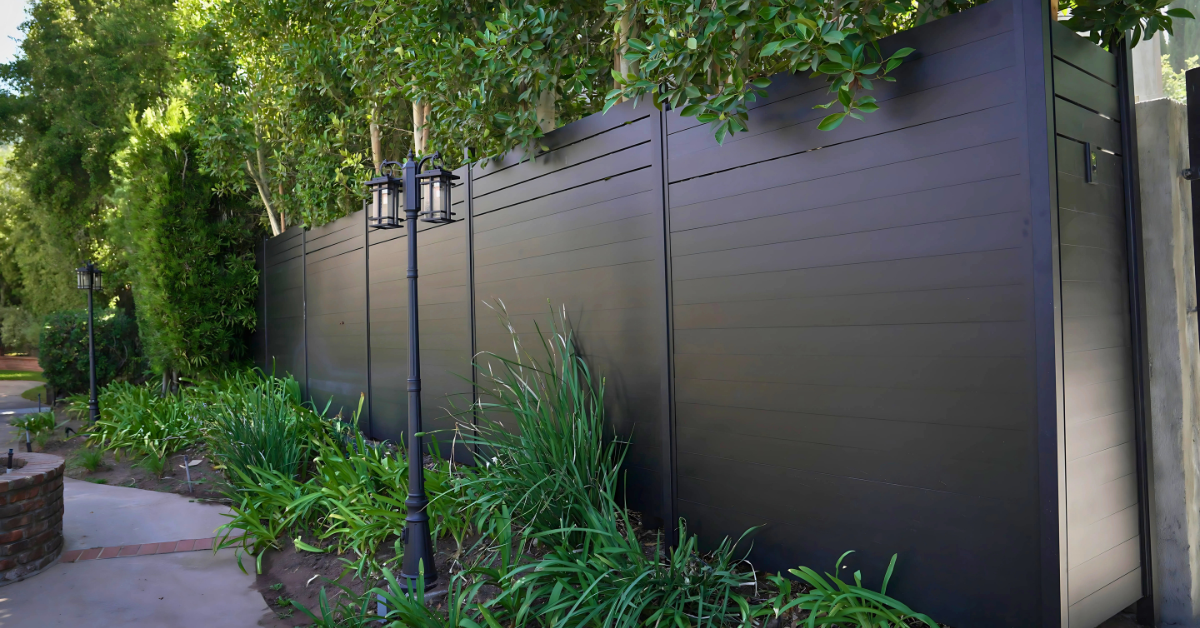
Privacy gates can also reduce noise and increase comfort. Use solid panels, acoustic inserts or staggered slats to block sightlines and muffle street noise. Combine landscaping buffers with gate massing for better acoustic performance. Design joints and mountings to limit vibration transfer. Ensure proper ventilation for enclosed areas and maintain sightline for driveways or pedestrian paths. For inspiration on privacy panel approaches see budget conscious options and practical panel choices. Prioritize durable finishes and secure fasteners to keep panels stable under wind loads and long term use.
Budget planning and real world cost drivers
Transparent budgeting prevents surprises. Break costs into materials, hardware, labor, permits and optional automation. Expect material choice and automation to be primary cost drivers. Allocate contingency for site prep, electrical runs and permit delays. Compare return on investment for features like powder coating and high quality operators. Use local cost guides to benchmark estimates and explore phased installations to spread payments. For further budget context consult pricing resources to translate design choices into realistic numbers. Prioritize items that reduce future maintenance costs to improve long term value.
Permits site prep and installation logistics
Permit and site work shape schedule and expense. Confirm setback, height and driveway visibility requirements with local authorities. Address grading, retaining elements and drainage before foundation work. Coordinate trenching for electrical and conduit early to avoid delays. Share plans with inspectors and obtain required permits prior to construction. For guidance on local regulatory hurdles and practical installation steps consult permit checklists and professional advice to avoid costly rework. Proper planning reduces installation risk and keeps the project on budget and on schedule.
Maintenance routines to extend lifespan
Planned maintenance preserves appearance and operation. Inspect moving parts, hardware and finishes at least annually. Clean finishes to remove salt and pollutants and reapply touch up finishes as needed. Lubricate bearings and check operator firmware updates for automated systems. Keep drainage clear around posts and verify anchor integrity after storms. Create a simple maintenance log for service dates and findings. Proactive care reduces the chance of sudden failures and preserves curb appeal, minimizing lifecycle cost and protecting the investment over many years.
Choosing contractors and finalizing customization
Select contractors based on experience, references and clear scopes. Request detailed proposals including timelines, materials and warranty terms. Review past projects and seek examples of similar contemporary gate work. Confirm insurance, licensing and local references. Ask about customization processes and options for finishes, hardware and automation. Use contracts that include acceptance tests and performance metrics for operators. Clarify post installation service and response times. When ready to get started take advantage of professional resources and curated product lines at the shop to streamline selection and procurement.
Final steps to order install and enjoy your gate
Finalize designs, secure permits and schedule installation. Confirm material samples and operator specifications. Arrange site prep and utility markings. Schedule installation during favorable weather and verify delivery logistics. After installation follow the commissioning checklist: test safety devices, verify operator settings and document warranties. For streamlined ordering and a curated product selection visit our online shop and begin your project with confidence Design Your Ideal Fence and Gates. This step turns plans into a secure, stylish entry that fits budget and long term needs.
Final words
A contemporary gate in California should balance aesthetic preferences, safety standards and long term cost. Prioritize durable materials, code compliance and maintenance planning. Use automation and smart features where they add value. Consult specialists to refine design and obtain accurate permits and cost estimates. Designing your ideal fence and gate today ensures a secure, stylish entry that matches budget and lifestyle goals.
Frequently Asked Questions
What is the best material for contemporary driveway gates in California?
Aluminum is widely considered the best material for contemporary gates in California. It offers excellent corrosion resistance, lightweight strength, and minimal maintenance compared to steel or wood. Powder-coated aluminum gates also withstand coastal salt, sun exposure, and wildfire-prone climates, making them ideal for long-term durability and modern architectural design.
How much does a modern aluminum gate cost in California?
The cost of a contemporary aluminum gate depends on size, automation, materials, and installation complexity. On average:
Manual driveway gates: $2,500 – $7,000+
Automated driveway gates: $5,000 – $15,000+
Custom architectural systems: $10,000 – $25,000+
Automation systems, electrical work, and site preparation are usually the biggest cost factors.
Do driveway gates in California require permits?
In many California cities, permits are required for driveway gates, especially if they affect driveway visibility, property setbacks, or electrical systems. Automated gates must also meet safety regulations, including sensors, manual release systems, and emergency access features. Always check local building departments before installation.
What safety features should an automated gate include?
Modern automated gates should include several essential safety components, such as:
Photo eye sensors to detect obstacles
Obstruction detection systems
Manual release for power outages
Secure locking mechanisms
Emergency access capability
These features help prevent accidents and ensure compliance with safety codes.
How long do aluminum driveway gates last?
A high-quality aluminum gate can last 30–50 years or more with proper maintenance. Powder-coated finishes protect the surface from corrosion, fading, and weather damage. Routine maintenance like cleaning, lubrication of hinges, and inspection of automation systems helps extend the lifespan even further.